

women-in-cybersecurity.jpg

December 10, 2025 Women in Digital

2026 Women to Watch in Cybersecurity

In our recent “2026 Digital Trends Webinar”, we explored the powerful forces shaping Australia’s digital landscape. From AI acceleration and cybersecurity resilience, to the rapid evolution of data, cloud and human-centred design, one theme was unmistakably clear:

Women are breaking barriers across Australia’s digital transformation.

Across every sector, women are leading innovation, guiding strategy, strengthening resilience and championing the kind of inclusive, human-focused progress our industry needs. Yet, too often, their contributions go under-recognised, especially in the emerging and high-impact fields transforming our future.

That’s why we’re spotlighting the extraordinary leaders, builders, researchers, strategists and changemakers shaping Australia’s digital economy in 2026. Some are Women in Digital Award winners, others are rising leaders driving impact behind the scenes, but all represent the talent and vision powering Australia’s digital future. As we continue to navigate change and uncertainty together, these women remind us that leadership isn’t just about adapting to the future, it’s about shaping it.


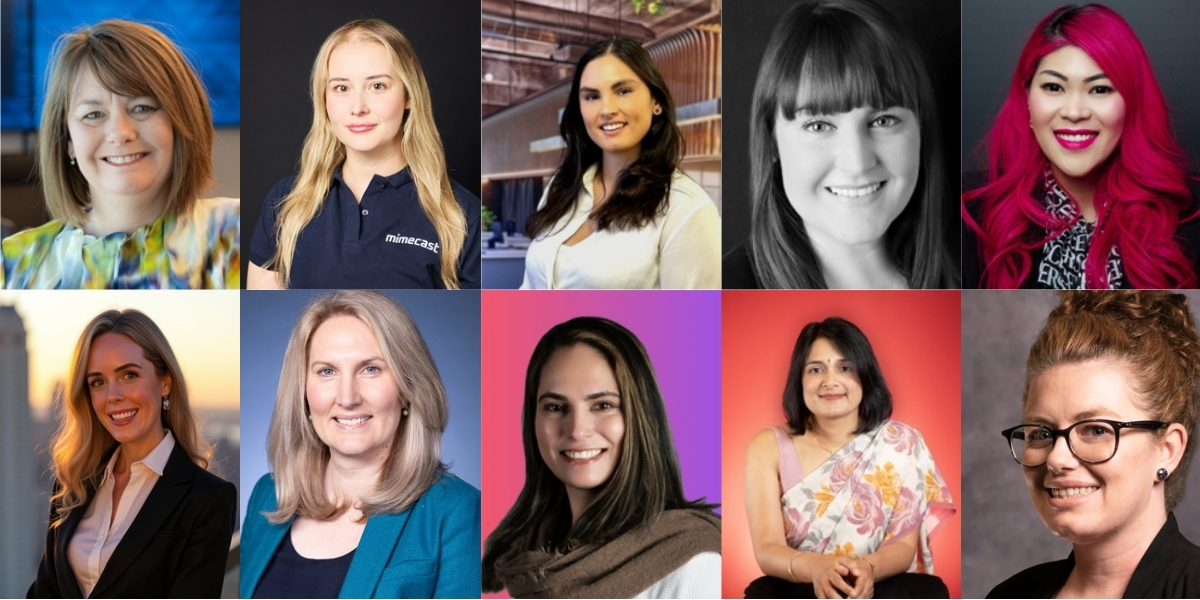
Celeste Lowe

CISO, The Lottery Corporation

Celeste Lowe is a visionary cybersecurity leader known for her pragmatic approach, strategic clarity, and deep commitment to diversity in tech. As the CISO at The Lottery Corporation since August 2024, she led a transformative uplift program that strengthened the organisation’s security posture, aligned with NIST 2.0, and delivered measurable maturity gains. Celeste’s leadership style is inclusive and empowering, mentoring emerging female talent, simplifying complex risk conversations, and embedding secure-by-design principles across the business. 

She’s a trusted advisor to executives and the Board, known for her ability to translate technical risk into business impact. Passionate about innovation, she’s championed AI   governance, DevSecOps enablement, and secure experimentation frameworks.   Celeste brings warmth, kindness, and a “yes, and” mindset to every challenge, enabling secure growth without stifling creativity. Her work continues to shape TLC’s reputation as a resilient, forward-thinking digital lottery operator.

Elese Cox

Sales Engineer, Mimecast

Elese Cox is a Sales Engineer at Mimecast, where she partners with enterprise organisations to strengthen collaboration security, drive cyber resilience, and meaningfully reduce human risk. Leveraging a strong foundation in customer success, she excels at aligning security strategy with operational priorities – ensuring organisations not only defend against evolving threats but also enable their people to work safely and effectively. Her work focuses on translating complex cybersecurity challenges into pragmatic, scalable outcomes that enhance business performance.

Elese is a passionate champion for diversity and representation in cybersecurity, advocating for inclusive cultures that unlock innovation and improve defensive capability. She actively supports initiatives that elevate underrepresented voices and foster the next generation of security leaders – believing that the strongest security cultures are those built on collaboration, diversity of thought, and shared accountability.

Beyond her role in the industry, Elese brings a modern perspective on digital risk through her leadership in online gaming communities. She has built and operated large-scale gaming environments, overseeing governance, trust and safety strategy, and community resilience. Her unique blend of technical fluency, people-centric security mindset, and digital community leadership enables her to bridge the gap between cyber principles and real-world behavioural change.

Alicia Valderrama

Director of Global Operations, Sekuro

As Director of Global Operations at Sekuro, Alicia Valderrama exemplifies transformational leadership through her exceptional ability to drive innovation and operational excellence across our organisation. As a founding member of Sekuro, Alicia’s deep understanding of each division’s unique requirements and challenges has been instrumental in orchestrating meaningful, sustainable change throughout our business. 

Under Alicia’s strategic leadership, Sekuro has undergone a remarkable operational transformation. Her ability to identify opportunities for improvement, coupled with her methodical approach to implementing change, has resulted in significant enhancements to our service delivery framework and internal processes. These improvements have not only streamlined operations but have also directly contributed to improved customer outcomes and employee satisfaction. Alicia’s innovative approach to operational excellence is evidenced through several key initiatives she has championed. She has successfully implemented new service management platforms, automated critical business processes, and established robust operational frameworks that have enhanced Sekuro’s ability to scale globally. Her deep understanding of technology, combined with strong business acumen, ensures that all operational improvements align perfectly with Sekuro’s strategic objectives and growth targets. 

As a founding team member, Alicia brings an unparalleled perspective to operational leadership. Her comprehensive knowledge of Sekuro’s evolution, culture, and distinctive divisional requirements has enabled her to implement changes that respect and enhance our organisation’s unique DNA whilst driving necessary modernisation and efficiency improvements. The impact of Alicia’s leadership extends beyond process improvements. She has fostered a culture of continuous improvement and innovation within Sekuro, empowering teams across all divisions to contribute to operational excellence. Her collaborative leadership style and ability to bring diverse stakeholders together have been crucial in ensuring the successful adoption of new initiatives across the organisation. Measurable outcomes of Alicia’s leadership include significant improvements in operational efficiency, reduced service delivery times, enhanced customer satisfaction metrics, and streamlined internal processes that have directly contributed to Sekuro’s continued growth and market leadership position. 

Through her visionary leadership and deep commitment to operational excellence, Alicia Valderrama has fundamentally transformed how Sekuro operates, creating a robust foundation for sustainable growth and innovation. Her achievements demonstrate the transformative impact that women leaders can have in shaping the future of digital operations and organisational success.

Sally Youden

Senior Information Security Consultant, Westpac

Sally Youden is a passionate and people-centred cybersecurity professional shaping how one of Australia’s largest banks builds cyber-smart behaviour at scale. As a Senior Information Security Consultant within Westpac Group’s Cyber Culture team, Sally plays a pivotal role in designing and delivering the bank’s cybersecurity education and awareness programs — ensuring every employee is equipped to recognise and respond to emerging digital risks.

With a deep belief that strong security starts with empowered people, Sally specialises in translating complex cyber concepts into clear, relatable messages that drive lasting behavioural change. Her work spans employee training, human-risk management, secure-by-design cultural uplift and organisation-wide campaigns that help strengthen the bank’s overall security posture.

Known for her collaborative style and commitment to inclusion, Sally advocates for diverse voices in cybersecurity and supports initiatives that bring more women into the industry. She sees cyber culture not simply as compliance, but as a critical enabler of trust, resilience and shared accountability across the organisation.

Through her leadership and impact in one of Australia’s most complex digital environments, Sally Youden is helping shape a more secure future for both Westpac and the broader cybersecurity community.

Daisy Wong

Head of Security Awareness, Medibank

Daisy Wong is a results-focused and energetic project and operations leader with eight years of experience across IT and finance. She has built a strong reputation for delivering seamless project outcomes, managing complex stakeholder environments and consistently achieving business objectives.

Daisy brings significant expertise in project management, resource planning, procurement, negotiation and vendor management. She excels at guiding technical teams through the project lifecycle, ensuring clarity, alignment and high-quality delivery at every stage. Her ability to bridge operational needs with strategic goals makes her a valuable asset in dynamic, fast-paced environments.

Known for her exceptional communication skills and people-first leadership style, Daisy thrives in roles that require collaboration, team development and cross-functional coordination. Her passion for empowering others, combined with her capability to build and lead high-performing teams, has been instrumental in her professional growth. With her strong operational acumen and commitment to excellence, Daisy Wong continues to make a meaningful impact across the technology and finance sectors.

Mairead Walsh

Senior Manager, Customer Success, Mimecast

Mairead Walsh is an accomplished Customer Success leader with over a decade of experience in client management and account direction across technology and enterprise solutions. As Senior Manager of Customer Success at Mimecast, Mairead leads teams dedicated to building strategic, long-term partnerships that drive mutual success for customers and partners alike.

Mairead is passionate about fostering strong, trust-based relationships and is known for her results-oriented approach. She excels at collaborating with clients to align solutions with business strategies, acting as a trusted advisor and champion for customer outcomes.

With a Bachelor of Commerce from University College Cork and fellowship with the Association of Chartered Certified Accountants, Mairead combines business acumen with deep industry knowledge. Throughout her career, she has held key roles at leading organisations including Poppulo, MessageMedia, and PlanNet21, where she was recognised for her ability to deliver value, growth, and innovation across diverse accounts.

Mairead’s leadership style is grounded in authenticity, proactivity, and a genuine commitment to customer success. She believes that culture is shaped by action and strives to cultivate environments where teams and clients both thrive.

Jessica Hunter

Ambassador for Cyber Affairs and Critical Technology, Australian Government

The Ambassador for Cyber Affairs and Critical Technology leads Australia’s international engagement on cyber affairs and critical technology issues, while delivering cyber capacity and resilience building, and incident responses across our region.

Ms Hunter will steer Australia’s international engagement under Australia’s 2023-2030 Cyber Security Strategy, focused on enhancing our role as a trusted and influential global cyber leader in Southeast Asia and the Pacific. The Strategy outlines Australia’s commitment to strengthening the capacity of our region and shaping international efforts to meet the evolving challenges of cyberspace.

Ms Hunter has had a distinguished 20+ career in cyber affairs, including in the Australian Cyber Security Centre, recently as the First Assistant Director General Cyber Security Resilience.

She has served overseas as Head of Cyber Threat Operations Technical Teams, National Cyber Security Centre, in the United Kingdom’s Government Communications Headquarters (GCHQ); and was seconded to the United States’ National Security Agency (NSA) as Deputy Australian Liaison Officer. Ms Hunter holds a Bachelor of Asian Studies, a Bachelor of Arts, and a Master of Strategic Studies from the Australian National University.

Sam Fariborz

Chief Information Security Officer (CISO), David Jones

Sam is a seasoned cybersecurity and technology leader, currently serving as the Chief Information Security Officer (CISO) at David Jones, one of Australia’s most iconic retail brands.

With a background in computer engineering and early career experience in IT service management and infrastructure, Sam brings a combination of technical depth, strategic foresight, and senior leadership. She views cybersecurity as a powerful enabler of organisational resilience, innovation, and competitive advantage—transforming complex challenges into opportunities for long-term business impact.

As CISO, Sam has led enterprise-wide transformation initiatives, embedded security into large-scale digital programs, and influenced strategic decisions at the executive level. She works closely with product, engineering, and business teams to shape scalable, secure technology environments that support both innovation and operational excellence.

A recognised thought leader, Sam is a sought-after speaker at technology and cybersecurity events, where she shares insights on emerging trends, secure-by-design innovation, and aligning security with broader business goals. In 2024, she was honoured as AISA’s Cybersecurity Professional of the Year and named one of Australia’s top 30 cybersecurity leaders. As a member of the AISA Executive Advisory Board, she plays a role in shaping the national cybersecurity agenda.

Pramiti Bhatnagar

Principal Product Manager, Microsoft

Pramiti Bhatnagar is a Principal Product Manager for Microsoft Entra, bringing more than a decade of experience shaping some of Microsoft’s most critical security products. Since joining Microsoft in 2011, she has contributed across multiple product and security roles, combining deep technical expertise with a strong understanding of human behaviour — grounded in her Honours degree in Applied Psychology from the University of Delhi.

Pramiti holds several industry-leading certifications, including Microsoft Certified: Cybersecurity Architect Expert, Certified Information Privacy Manager (IAPP), and CISSP (ISC2). Her passion for cybersecurity extends well beyond product leadership; she is a regular speaker at industry events such as AISA and ISACA, and her thought leadership has been featured in Microsoft publications and Cyber Today magazine.

In 2024, she published her first book, Mastering Microsoft 365 Security Technologies, and is currently authoring her second — further cementing her influence in the global security community.

A dedicated advocate for diversity and inclusion in technology, Pramiti mentors women internationally through global programs and supports underrepresented talent locally as they begin their cybersecurity careers. Her work reflects not only technical excellence, but a commitment to building a more equitable and secure digital future.

Stephanie Crowe

Head Australian Cyber Security Centre, Australian Government

Stephanie Crowe was appointed Deputy Director- General Australian Signals Directorate (ASD) and Head of the Australian Cyber Security Centre (ACSC) in December 2024.

Stephanie has an extensive background in cyber security working with government and industry on responding to nationally-significant cyber events and strengthening Australia’s cyber defenses.

Over her 15-year career at ASD, Stephanie has held a number of key roles in signals intelligence and cyber security, including leading the ACSC’s Cyber Security Resilience Division, responsible for delivering technical programs, services and publications across government and industry, as well as enabling the uplift and hardening of critical networks.

Prior, Stephanie led the ACSC’s cyber threat intelligence and incident management functions and designed programs to enhance Australia’s cyber security situational awareness, national threat picture and incident response capabilities. Stephanie has been involved in cyber security efforts supporting key national events such as e-Census, elections and G20, and in facilitating national exercise programs. She has also directed Government’s technical response to numerous nationallysignificant cyber security incidents.

Stephanie has a Bachelor of Asian Studies Specialist (ANU) which led to her to the ASD graduate program in 2009. Throughout her 15+ year career, Stephanie has performed various roles across ASD’s intelligence missions utilising her expertise in operations management.


Cybersecurity has never been more critical to Australia’s digital future, and the women featured in this list remind us why representation, leadership and diversity matter now more than ever. Their work spans critical infrastructure, national security, enterprise uplift, global operations and public–private collaboration. Yet what unites them is their unwavering commitment to building a safer, more resilient and more inclusive digital ecosystem.

As highlighted in our recent 2026 Digital Trends Webinar, the pace of change across technology, strategy and risk continues to accelerate, but so too does the opportunity to shape what comes next. These leaders are not just responding to emerging threats; they are designing the frameworks, capabilities and cultures that will define the next decade of cybersecurity in Australia.

By celebrating their stories, we hope to inspire the next wave of cyber talent, amplify the voices driving meaningful impact, and reinforce the importance of diverse perspectives in solving the challenges ahead.

While this list celebrates a remarkable group of leaders, innovators and changemakers, we know there are countless other incredible women across our community and the wider industry making an impact in cybersecurity every day. We couldn’t include everyone here, but we encourage you to explore the inspiring talent featured in our 2025 Women in Digital Awards finalists — a powerful showcase of women doing extraordinary things across Australia’s digital landscape.


digital-trends-panel.jpg

November 25, 2025 Women in Digital

Stepping into change: Are we really afraid of change, or are we just afraid of uncertainty?


As organisations across Australia navigate rapid shifts in technology, workforce capability and community expectations, what will 2026 look like across the digital and tech industry? It’s not just that transformation is accelerating; it’s that leaders are being forced to rethink long-held assumptions about how work gets done, how talent grows, and what people actually should be doing in a modern, AI-enabled environment.

In our recent online panel discussion, Lucy Poole, Carrie Mott and Elyse Philippi, moderated by Adelaide Haynes, explored how these forces are reshaping the way organisations design roles, develop skills, and build cultures of adaptability. Their insights painted a picture of a sector standing at a crossroads: move forward with curiosity, co-creation and experimentation – or fall back into outdated models that no longer serve the work or the people doing it.

Talent, pipelines and new workforce models

One of the key vantage points came from Lucy, who emphasised how the public service is rethinking talent pipelines. Lucy cited a shortfall of jobs across core government projects, provoking a call to reshape how talent is sourced, developed and deployed. Rather than simply filling roles in the old model, the focus is shifting to building digital literacy into various pathways (not just a single “IT job” lane), re-shaping existing workforce capability and diversifying talent pools.

The buzzwords she urged: ideation and experimentation, meaning that organisations need places where new ways of working can be trialled, not just deployed wholesale. On the people side, she stressed the importance of humility and a mindset that new tech and AI won’t be a plug-and-play “silver bullet”. Teams must be ready for change, not expect it to magically arrive and fix everything.

In short: The talent question is no longer “can we hire enough people?” but “can we design the pipelines, the pathways and the mindsets so that people are ready to engage with the future?

From search to conversation 

Carrie took us into how the nature of discovery, engagement and interaction is changing. The shift is away from “search” (in the old sense of typing keywords and sifting through ranked results) to conversation… interactive, dynamic, contextualised. She also emphasised co-creation as a key buzzword: rather than organisations dictating top-down what is needed, the future lies in working with people (users, teams, communities) in the design of solutions.

On the skills front, she highlighted the ability to interrogate information, in a world awash with data, AI-assisted answers and “surface” insights, the ability to ask good questions, challenge assumptions and dig deeper becomes critical.

Her message: The digital shift isn’t just about new tools. It’s about new forms of interaction and meaning-making, which means our design, our workforce, and our culture must evolve accordingly.

Asking a different question: What should humans never have had to do?

Elyse offered a provocative pivot: instead of asking “How do we keep people working harder?” she asked, “What should humans never have had to do?

At this moment of “permission” for innovation, she said organisations are not simply managing capacity or asking people to work longer hours. Instead, they are free to ask: What tasks should we remove so human energy can be freed for more meaningful work?

Her buzzword: Outcome over Output, meaning that we focus less on “how much people do” and more on “what we achieve together”. On mindset, she stressed curiosity with a touch of humility, and treating failure as an opportunity to learn (rather than a setback to bury). When you free people from work that machines or automation should handle, what becomes possible? She invited us to imagine it.

This is a powerful reframing: not just “how do we do more” but “how do we do differently”.

Bringing it together: Themes, mindsets & moving forward

Across the contributions, some shared themes emerged:

  • Mindset matters: Lucy emphasised humility and readiness; Elyse emphasised curiosity; Carrie emphasised interrogation of information. These are skills of the future alongside technical skills.
  • Talent + pathways + experimentation: We are not simply hiring more of the same. We are redesigning how work gets done, who does it and with what skills.
  • From output to outcome: The value shifts from doing more to doing better, and doing different.
  • Co-creation & conversation: Engagement with stakeholders, end-users and teams becomes less about “here’s what we built for you” and more about “let’s build together”.
  • Ideation & experimentation: Lucy’s call to build experimentation into the model means organisations must carve out space for trying, failing, learning, rather than only executing on fully formed projects.
  • Facing uncertainty: If the fear is less about change per se than uncertainty, then the work becomes about building adaptive capacity, flexibility, and psychological safety.

Final Thoughts

We often say, “Change is inevitable.” But what this panel suggests is that what matters more is how we respond to it, and whether we use this moment to deliberately redesign our systems, our workforce and our mindsets — rather than simply reacting.

As Lucy, Carrie and Elyse all emphasised: the time is now for ideation, experimentation, redesigning talent pipelines, shifting to conversation-based engagement, and focusing on outcome over output. In doing so, organisations don’t just keep pace with change; they shape it.


Are you a WID member? Log in to the Member Portal to watch the full recording!


2025-Annual-Report-Discourse-Banners--1200x600.jpg

August 20, 2025 Women in Digital

The Pipeline: Early Gains, Later Losses

The Women in Digital 2025 report reveals a glaring leak in the tech talent pipeline: while women are entering the sector in record numbers, far too many exit before reaching senior leadership. Despite significant investment in graduate and early-career support, only 22% of female respondents over 55 see a clear path to promotion — exposing a stark drop-off in progression that threatens the future of gender diversity in tech.

Organisations are successfully attracting and nurturing early-career women through graduate programs, scholarships, and structured entry pathways. However, this momentum fades sharply as women move into mid and senior career stages. Support diminishes notably for women over 40 and especially into their 50s, underscoring a critical failure to sustain career development beyond entry-level roles.

Confidence Gap in Pursuing Senior Roles

The report reveals a notable confidence gap between men and women when applying for senior roles. While 81% of men believe they support women’s careers, only 68% of women feel that support. This disparity suggests women may perceive less encouragement than intended, potentially impacting their confidence to pursue leadership positions.

Organisations bear a significant responsibility to bridge this gap by actively supporting, mentoring, and sponsoring diverse talent. Implementing inclusive performance management practices, offering structured mentorship programs, and fostering a culture of constructive feedback can help women feel more confident and supported in their career progression.

To balance the scales, companies can adopt strategies such as:

  • Structured Mentorship Programs: Pair women with senior leaders to provide guidance and boost confidence.
  • Inclusive Leadership Training: Equip leaders with skills to support diverse teams, fostering an inclusive environment.
  • Clear Promotion Criteria: Establish transparent pathways to advancement to demystify the process and encourage women to apply for senior roles.

By taking these steps, organisations can empower women to pursue and attain leadership positions, fostering a more equitable workplace.

Structural Barriers Holding Women Back

This decline is driven by structural barriers such as the absence of part-time progression routes, hidden biases, and the “caregiving penalty” that disproportionately impacts women balancing family responsibilities. Moreover, part-time employees are significantly less likely to feel encouraged to pursue leadership roles, compounding the challenge.

Concrete Actions to Fix the Pipeline

To fix this leaky pipeline, organisations must move beyond generic development initiatives and embed targeted, actionable strategies at every career stage:

  • Career Path Audits:

    Require leaders to map and regularly review clear development and promotion pathways for all employees, ensuring transparency and accountability beyond entry-level roles.

  • Leadership Shadowing:

    Provide mid-career women with structured opportunities to gain visibility into executive decision-making and strategic leadership, preparing them for senior roles.

  • Sponsorship Programs:

    Establish active sponsorship where senior leaders advocate for women in promotion discussions, moving beyond mentorship to tangible career advancement support.

Fixing the pipeline demands sustained, structured support—not just at entry but throughout every stage of a woman’s career. Only by closing these gaps can we build a tech workforce where women don’t just enter, but rise, lead, and thrive.


The 2025 Women in Digital Report is now available!

The conversation around gender equity in tech has never been more urgent or more important. The 2025 Women in Digital Report “Driving Change in Tech 2025” dives deep into the lived experiences of people in digital and technology roles across Australia, providing a powerful data-driven overview of where we are, and where we need to go.

Click to download the report!


2025-Annual-Report-Discourse-Banners--1200x600.jpg

August 20, 2025 Women in Digital

The Missing Middle: Career Progression Isn’t Stalling, It’s Being Blocked

The Women in Digital  2025 report spotlights a structural breakdown: mid‑career progress stalls for women, not from a lack of drive, but because systems aren’t aligning with their complex realities, especially around caregiving and flexible work.

The Human Cost: A Narrative from the Middle

While the report doesn’t name individuals, survey responses collectively convey a powerful story. This sentiment captures the lived experience reflected across responses: ambition is intact, support is not. What did one anonymous respondent have to say?

“After returning from maternity leave, I was eager to contribute, only to find part‑time leadership paths didn’t exist. The support evaporated, and despite my efforts, progression felt out of reach.”

Key Barriers, as Revealed in the Report

1. The Caregiving Penalty

Women balancing caregiving, especially for children or school‑age responsibilities, report facing lower visibility and fewer promotion opportunities, highlighting a lingering caregiving penalty even in digitally-forward industries.

2. The Part-Time Penalty

Flexible arrangements are increasingly common. Yet, the report reveals that part‑time work often stalls progression, leaving women locked out of leadership paths when working less than full-time.

3. Embedded Biases in Evaluation

Performance and promotion systems still favour traditional markers of commitment, long hours, physical presence, meaning those working flexibly or managing caregiving duties face hidden bias, even when outcomes are on par.

Parental Leave is Progressing, but is it Enough?

The Women in Digital 2025 report shows a significant rise in employer support: about 68% of organisations in Australia now offer paid parental leave. This expansion is more than policy, it’s a cultural shift.

However, real change hinges on equal uptake across genders. Without balanced participation, women continue to shoulder the brunt of caregiving, reinforcing the “motherhood penalty” that holds back women’s career progression and earnings.

Ensuring men take their parental leave is vital. Doing so helps dismantle stereotypes around caregiving, normalise shared responsibility, and shift expectations at both home and work.

Looking ahead, watch for this shift: as uptake by both parents becomes the norm, parental leave will transform from a benefit into a marker of progressive workplaces. Over the next few years, organisations that support and expect equal leave to be taken by all parents will lead the way in binding equity, retention, and cultural change.

Beyond Policy

  • Return‑and‑Rise Programs: Structured re‑entry initiatives, offering reskilling, structured mentorship, and clear advancement pathways, enable women to re-engage after career breaks with confidence and clarity.
  • Inclusive Performance Practices: By embedding transparent promotion criteria, flexibility-aware evaluation, and bias mitigation training, organisations can ensure fair assessment—regardless of WFH patterns or caregiving responsibilities.

The Opportunity Ahead

Fixing the Missing Middle isn’t just the right thing to do, it’s smart business:

  • Stronger Leadership Pipelines:

    Retaining mid‑career women means nurturing experienced, diverse leaders for the future.

  • Innovation Through Inclusion:

    Research underscores that diverse leadership teams drive better decision-making and creativity.

  • Retention & Savings:

    Addressing mid‑career exits reduces costly turnover—saving on recruitment and training while keeping institutional knowledge intact.

What next?

The message is clear: mid‑career women aren’t lacking ambition, they’re lacking structural support. Organisations that invest in targeted re‑entry programs and flexible leadership pathways not only retain critical talent but also future‑proof their leadership bench, building stronger, more diverse, and more resilient teams.


The 2025 Women in Digital Report is now available!

The conversation around gender equity in tech has never been more urgent or more important. The 2025 Women in Digital Report “Driving Change in Tech 2025” dives deep into the lived experiences of people in digital and technology roles across Australia, providing a powerful data-driven overview of where we are, and where we need to go.

Leaders, Act Now! Support the Missing Middle.
Download the report today!

2025-Annual-Report-Discourse-Banners--1200x600.jpg

August 20, 2025 Women in Digital

Path to Progress: Flexibility Is Step One, Not the Finish Line

The Women in Digital 2025 Report revealed that Australia’s tech sector has embraced flexible work, 77% of employers now offer it. It’s a critical foundation, especially for caregivers. But flexibility alone won’t fix inequity. What leaders think they’re doing to support women isn’t always what women experience. And in that gap, talent is being lost.

“Flexibility helped me stay initially, but without real career support, I felt stuck and invisible,” shared one survey respondent.

This candid reflection underscores a key insight from the report: flexibility is necessary but not sufficient. While flexible work arrangements provide crucial support, especially for caregivers, they don’t address deeper issues, such as career development and visibility. Without intentional efforts to create meaningful opportunities and recognition, women risk feeling sidelined, highlighting why cultural change must go hand in hand with flexible policies.

Without deeper cultural change, flexible policies risk masking persistent challenges: career stagnation, presenteeism, and lack of access to leadership. True progress means reshaping how we define value, performance, and inclusion, not just how and where people work.

Equal Pay Day and the Trust Gap

As Equal Pay Day was recently on August 19th, it’s promising that 66% of female respondents in tech now believe they have equal financial opportunity, up from 43% in 2024. But equity isn’t just about pay, it’s about trust.

A major trust gap remains, as found in just one survey in our report:

  • 81% of total male respondents believe their male colleagues support women’s careers.
  • Only 62% of our total female respondents agree.

This disconnect reveals a core truth: culture can’t be measured by policies alone. It must be reflected in lived experience. If people don’t feel supported, they won’t stay, no matter how “flexible” the policy is.

Perception gaps also impact culture. Leaders may believe they’ve built inclusive environments, but if women don’t experience that inclusivity, progression stalls and organisations risk losing key talent. When employees, particularly women, see policies like flexibility or pay equity in place but don’t experience real inclusion or support, trust erodes. This misalignment fosters a sense of isolation and disengagement, making people less likely to speak up, stay, or strive for advancement. Worse, it can create a sense of “false progress”, where leaders believe equity has been achieved because the metrics look good on paper, so momentum stalls.

3 Things Leaders Can Do Now

Industry leaders show how to do better. In our report, Cathie Reid Am, founder of Arc31, stated “one of the key opportunities to continue to uplift the number of women working in tech comes via amplifying the voices and stories of the women who are already there.”

ACS CEO Josh Griggs similarly said “Our future depends on creating inclusive and flexible environments that support all stages of women’s careers. Employers have to act now by ensuring equitable pay, transparent progression pathways, and supportive leadership programs.”

The takeaway? Allyship must be active, consistent, and felt. Closing the perception gap starts with listening, action, and embedding inclusion into everyday decisions.

To move beyond surface-level inclusion and embed real equity, leaders can:

  • Audit and act:

    Conduct regular pay and promotion audits and be transparent about the outcomes.

  • Value impact, not hours:

    Train managers to recognise and reward output, not presenteeism or visibility.

  • Mentor and sponsor:

    Actively support mid-career women with access to high-impact projects and leadership pathways.

Measure What Matters

Culture isn’t what’s written in a handbook, it’s how people experience their workplace every day. That’s why leaders must go beyond policy checklists and measure what really matters: inclusion, trust, and equitable opportunity.

These perception gaps aren’t just statistics, they shape whether women stay, grow, and thrive in tech. Our 2025 Women in Digital Report unpacks the Path to Progress, the Missing Middle, and the Pipeline,  offering leaders a roadmap to close the gaps for good. Together, they form a roadmap for turning momentum into measurable, lasting change.


The 2025 Women in Digital Report is now available!

The conversation around gender equity in tech has never been more urgent or more important. The 2025 Women in Digital Report “Driving Change in Tech 2025” dives deep into the lived experiences of people in digital and technology roles across Australia, providing a powerful data-driven overview of where we are, and where we need to go.

Let’s Make Lasting Change! 
Click to download the report!

Jaya-Mothers-Day.jpg

May 12, 2025 Women in Digital

Leading with Heart

A Mother’s Day Conversation with Jaya De Silva

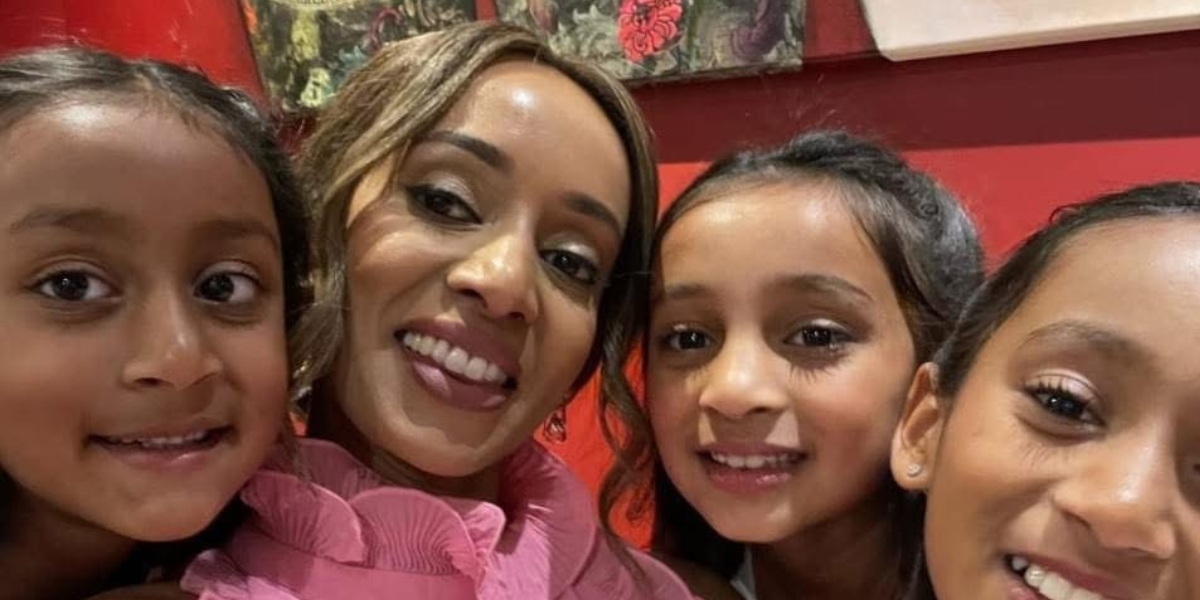
In this special edition of our Mother’s Day series, we had the pleasure of speaking with Jaya De Silva. Jaya is an inspiring leader at Sekuro, a mother of three, and a woman who balances her vibrant family life with a purpose-driven career. Warm, wise, and deeply grounded, Jaya’s story is a heartfelt tribute to the women who shape us… mothers, daughters, and all the roles in between.

Lessons Lived, Not Just Taught

Jaya grew up in Sydney’s Hills District, raised by her mum, a hardworking single parent and nurse who worked double shifts to provide for her two children. Watching her mum navigate life with grit, humour, and unwavering love left a deep imprint on Jaya. She recalls how her mum showed her the importance of loving your children unconditionally, knowing and loving yourself, working hard, and always giving back to your community. “These weren’t things she told us,” Jaya reflects. “They were things she showed us every day.

Now a mother herself to three young girls, Jaya describes her household as “lively and chaotic – in the best way.” She and her husband are both drawn to the buzz of a big family, and they embrace the noise, the mess, and the joy of raising kids close in age. It’s that same spirit of openness and energy that Jaya brings to her leadership role at work. “At my core, I’m a maternal person,” she says. “And that doesn’t switch off when I go to work.”

Leading Through Empathy

In her role, Jaya mentors and supports emerging leaders, often drawing from her own lived experience to lead with empathy. For her, leadership isn’t just about performance, it’s about people. “It’s about creating an environment where others feel seen, heard, and supported. That’s how you build real trust, and that’s how you grow leaders.”

Moments That Matter Most

One of Jaya’s most cherished memories with her mother came later in life, after the birth of her first daughter. During maternity leave, she spent most days with her mum, watching her mother and daughter develop a special bond. “That time was a gift,” she says. “My mum was terminally ill and passed away a year later. I’m so grateful I had that time with her.  Life can be unpredictable, and it’s at these times you have to decide what is important, as we don’t get that precious time back.

Reflecting on her mother’s influence, Jaya acknowledges the different paths they took. While her mum worked in healthcare, a field still in need of greater support and recognition, Jaya was drawn to business and law. But the foundation of service and work ethic remains the same. “Mum worked hard, but she also taught me to live a full life,” she says. “If I had a bazillion dollars, I’d still work in some way to contribute. It’s part of who I am.”

Raising Future Women With Purpose

When it comes to advice she hopes to pass on to her own children, Jaya doesn’t hesitate: “Stand on your own two feet – especially financially. Travel. Stay open-minded. And whatever you choose to do, make sure you love it.”

Reflecting on everything she’s learned from her mum, Jaya shares a message she wishes she could say one more time.

If my mum were reading this now, I’d say – Thank you. For everything. For every sacrifice, every laugh, every hard moment. You taught me what strength really looks like.


Quick Fire with Jaya

  • Three words to describe your mum: Courageous. Empathetic. Humorous.
  • What grounds you? My girls – they’re my reminder of what really matters.
  • What brings you joy right now? Slow mornings, spontaneous hugs, and watching my daughters become their own people.
  • One value you try to live by every day:  Move through the world with kindness and always advocate for yourself!

Grace-Charles-Mothers-Day.jpg

May 12, 2025 Women in Digital

The Women Who Shape Us

Grace Charles on Her Mum’s Quiet Strength

This Mother’s Day, we’re celebrating the women who shape us with their wisdom, care, and strength. Grace Charles, a passionate HR Business Partner and self-professed introvert “in hiding,” opens up about the incredible influence her mother has had on her life. Grace may not have children of her own, but the life lessons passed down from her mum have deeply shaped who she is today.

A Foundation of Family and Fairness

Grace describes her family – her mum, older sister, and younger brother – as her safe space. “My family are genuinely my favourite people to spend time with,” she says. While her siblings are the storytellers and extroverts, Grace identifies more with her mum’s quiet, steady presence.

One of the most powerful lessons her mother taught her is to “always do the right thing, regardless of whether people are watching or not.” That moral compass, built on fairness, honesty, and humility, has guided Grace throughout her life and career. 

She’s the first person to place herself in the back-row,” Grace shares, “but you can guarantee she’ll step forward to advocate for something she believes in.

Little Gestures, Big Love

A tradition that always makes Grace smile is the mysterious Valentine’s Day cards she and her siblings receive every year, signed anonymously, but suspiciously similar to her mum’s handwriting. “It’s a simple gesture, but a tradition I love. I keep all of these cards in a box at home. They make me reflect on the types of traditions I might like to create if I had a family of my own one day.”

Resilience in the Face of Loss

Grace’s mum became a single parent when her husband passed away, leaving her to raise three young children while navigating her own grief. “I’m sure she had days where she wasn’t sure she would get through it,” Grace reflects. “But she did. And those hard times forged unbreakable bonds between us.”

That reminder is something Grace hopes to pass on to future generations: “Even on your hardest days, there are always brighter ones ahead.”

A Quiet Career Influence

Though Grace’s career path in HR differs from her mum’s role as a library technician, the foundational values are the same. “She’s always taught us that it’s important to be responsible and show accountability for things and people outside of ourselves,” Grace says.

Her mum’s emphasis on kindness and respect has also shaped Grace’s approach to work: “The consideration I have for others has contributed to building strong relationships in my career. That’s something I’m really proud of.”

Quick Fire with Grace

What do you call your mum?
Mum

What did your mum call you when you were in trouble?
My full name—Grace Charles (or, jokingly, ‘Disgrace’)

What’s the one tech thing your mum can’t figure out?
Taking photos! Somehow her photos are always blurry – it’s a running family joke.

How would your mum describe what you do?
Before I started working in HR, I think she saw it as just admin. Now, after hearing about my work, she’s realised how deeply human, complex, and strategic the role can be.


Masseh-Haidary-Mothers-Day.jpg

May 12, 2025 Women in Digital

A Legacy of Strength

Masseh Haidary on the Women Who Shaped Him

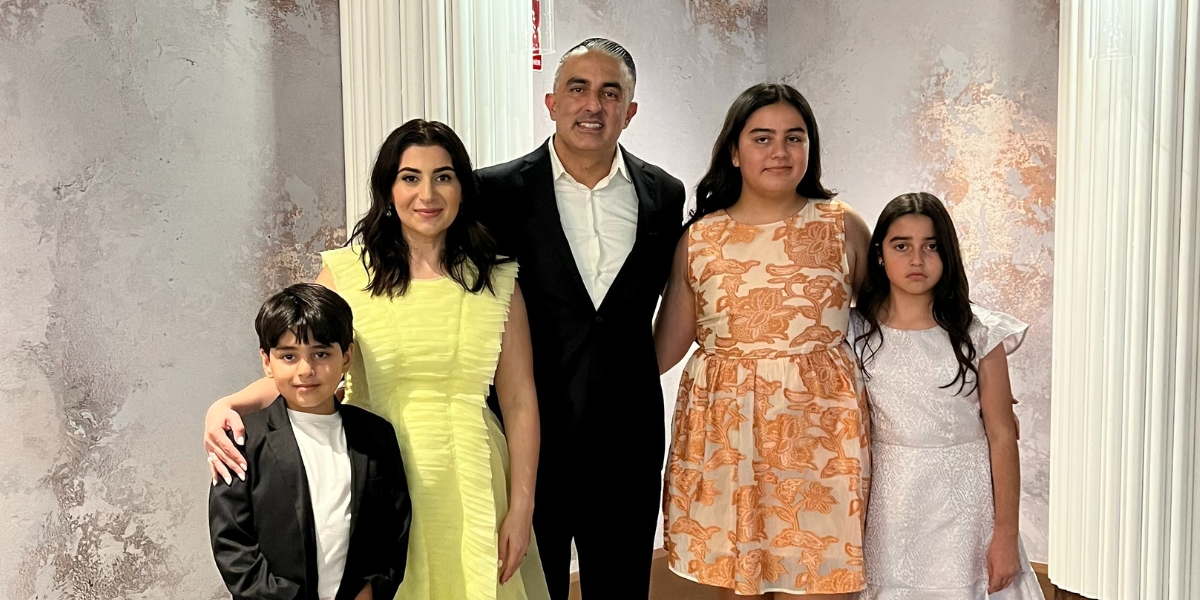
This Mother’s Day, we are proud to feature Masseh Haidary, Oceania CEO of Global Payments. Masseh’s story is a powerful reminder that the influence of strong women can leave a lasting legacy. Not just at home, but in leadership, character, and community. Raised by a courageous mother and married to a deeply inspiring partner, Masseh’s reflections are filled with gratitude, perspective, and hope for a future where more women have the opportunities they deserve.

A Family Shaped by Resilience and Love

Growing up, Masseh’s family had anything but a traditional path. “While my cultural heritage was rooted in a tradition where men led, our family moved to Australia with nothing more than the clothes on our back when I was only one year old,” he shares. In an unorthodox move for their community, it was Masseh’s mother who stepped into the role of both mother and father, setting the tone for the life he would go on to build.

Today, Masseh’s immediate family includes his wife Mina, daughters Siyanna and Sura, and son Danial. After more than 20 years of marriage, Mina’s unwavering support has also played a major role in shaping his life. “She challenges me to get outside my comfort zone and is always my biggest support figure professionally and personally,” Masseh says with pride.

Lessons in Vision and Sacrifice

One of the defining memories Masseh carries from his childhood was a pivotal decision his mother made when times were tough. Amid financial struggles, they had the choice to move away from opportunities and community, but she chose to stay. “Against the grain, Mum was the only one who decided to stay put, rent a small place, and focus on giving us the best opportunities while sacrificing an awful lot along the way,” Masseh recalls.

Her lesson was simple but powerful: never lose sight of the bigger picture and future prosperity, even when the present feels overwhelming.

A Deepening Respect for Motherhood

Watching his wife become a mother only deepened Masseh’s admiration for the strength of the women in his life. He reflects on the early years of parenthood as a profound experience: “The sacrifice, the resilience, carrying another human and that connection a mother has was incredible.

Through every emotional and mental challenge, Mina’s perseverance stood out. Masseh shares, “With three kids, a mother’s love, guilt and endurance — it’s powerful stuff, especially in a society that’s made it difficult for women to have the same opportunities and support required.” It’s a reality that has strengthened his commitment to being part of a generation that drives meaningful change.

Values That Anchor Every Decision

As Masseh’s career grew into senior leadership, the influence of his mother’s example never faded. “Not a day goes by where I compromise my choices or priorities,” he explains. The importance of a stable, loving home, and carrying out professional duties with empathy, are values deeply rooted in the lessons his mother modelled.

Her courage to go against cultural norms – to work, to lead, and to nurture – continues to shape his leadership style today.

A Legacy of Generosity and Courage

When asked what he would say if he could thank his mother or wife for one thing, Masseh’s gratitude is clear: “I’m eternally grateful for my mum giving me everything she had, showing me the value of generosity in life and how it gives back to you in droves.

And after nearly 25 years together, he credits Mina to helping him continue to grow. “She’s invested in her personal development and growth, and that gave me the courage to do the same.”

Quick Fire Round

What do you call your mum?
Mal.

What did your mum call you when you were in trouble?
Just my first name.

Who needs more tech help—you or your mum?
Definitely me!

How would your mum describe your job?
A leader who follows in the steps of her leadership principles.


Doriena-Parsons-Mothers-Day.jpg

May 12, 2025 Women in Digital

Leading with Love

Redefining Motherhood, Mentorship, and Meaningful Impact

For many women, the word “mother” conjures images of family, warmth, and guidance. But for some, it’s more than a title, it’s a way of being. In this special Mother’s Day feature, we spoke with Doriena Parsons whose career has taken her across the globe and into boardrooms and blended families alike. She shares how women have shaped her journey, what she’s learned as a stepparent, and why redefining motherhood could be one of the most powerful ways to change how we lead.

Finding Power in Kindness and Ambition

Across a career spanning continents and sectors, Doriena has met many remarkable women. But the ones who made the most impact didn’t shout the loudest.

What stood out was their ability to lead with balance, strength, and integrity,” Doriena recalls. “Whether I was working in Europe, the Middle East or here in Australia, they showed up with calm, consistent leadership. They didn’t compromise their values to get ahead,they embodied them.

Growing up, ambition wasn’t something encouraged in girls. It was often laughed off or shut down. But an early-career mentor, a woman in leadership, shifted that narrative.

She told me something I’ve never forgotten: don’t let someone else judge the scale of your ambition, and when they do, don’t let it make you bitter. Stay fair. Stay open. Keep going.

It’s a philosophy that’s stayed with Doriena. One that reminds us that ambition doesn’t have to be loud to be powerful, and that kindness and strength are not opposites, but partners.

On Choosing a Different Path – and Still Showing Up Fully

Though Doriena chose not to have biological children, she became a stepparent to two daughters in a blended family, and that decision shaped not only her personal life but her leadership style.

I chose to focus on being a strong and stable presence for the girls,” Doriena shares.

It also meant I could channel energy into my career and eventually become the main breadwinner. It was a conscious choice, and not always one that others understood.

Some of the harshest judgments came from other women. But she stood firm in her belief: you don’t need to give birth to someone to love and support them like a parent.

As both a stepparent and mentor, she’s learned the power of presence and perspective. “I try never to tell people what to do. I offer my view and my experience. But I leave the choice to them. That kind of support, that respects autonomy, is essential in parenting and leadership.

Some of the hardest moments Doriena has experienced have come from the sidelines – watching someone you love make a painful choice you can’t protect them from. “But those are often the moments people grow the most. Your job is to stay steady, stay close, and let them figure it out. It never gets easier, but it’s necessary.

Mentorship as Modern Mothering

When asked about her role in supporting the next generation, she sees it as an act of reflection and belief.

Sometimes people just need someone to reflect their strength back to them. To say: I see what you’re capable of, even if you don’t yet.

Resilience is another core lesson Doriena tries to pass on. Life is messy, nonlinear, and imperfect. And that’s okay. “Setbacks are inevitable. But failure isn’t final. We need to build spaces where people can test ideas, try things, and feel safe getting it wrong. That’s how confidence is built – through belief, experience and freedom.

In a world that often values speed and perfection, Doriena advocates for something deeper: the courage to grow slowly, thoughtfully, and with purpose.

Redefining Motherhood in Leadership

To her, the word “mother” isn’t limited to biology. It’s a verb, a mindset, a form of leadership.

In business, mothering can look like mentoring with patience. It can mean creating safe spaces for others to speak up, or advocating for someone when they’re not in the room.

But she’s quick to point out that we need to rethink the language around it.

For too long, mothering has been associated with softness, often undervalued in professional spaces. But mothering at its best is profoundly strong. It’s about holding space, building resilience, and helping others realise their potential.

It also means taking a stand. Saying no to toxic behaviour. Refusing to play into behind-the-scenes commentary that tears others down. “If we say we value transparency, we have to live it – even when it’s uncomfortable. Leadership should reflect our values, not just our KPIs.

The One Piece of Advice She Hopes Young Women Take to Heart

Be confident in what you know… and humble about what you don’t.

Women are challenged more often, Doriena notes, and asked to prove themselves in ways their male peers are not. But confidence isn’t arrogance. And humility doesn’t mean self-doubt.

You don’t need to justify your choices to anyone. Just make sure they’re rooted in kindness, in integrity, and in your own truth. And don’t stop there. Seek out people who see the world differently from you. That’s where real growth happens.

This Mother’s Day: A Celebration of Quiet Confidence

For Doriena, confidence isn’t always loud. Sometimes, it’s steady. Sometimes, it’s deeply personal.

This Mother’s Day, I hope we can celebrate the women who lead with compassion and intention. The ones who uplift others quietly, the ones whose impact is felt more than seen.”

In her view, womanhood doesn’t need to fit a mould. Neither does leadership. “We have the power to shape our lives in ways that not only serve us, but make space for others to thrive too. That ripple effect? It matters. And it starts with how we choose to lead.


Mothers-Day-2025.jpg

May 12, 2025 Women in Digital

Lessons in Love, Leadership and Legacy

Mother’s Day has never been just about flowers and cards. It’s about the women. Mothers, grandmothers, aunties, stepmothers, chosen family, mentors, partners. All who show up, shape us, and stay with us long after we’ve left home. This year, we’re spotlighting real stories from our community to celebrate the resilience, wisdom, and influence of the women who’ve made us who we are.

We recently connected with some of our community members for an in-depth discussion about the women who have impacted their lives, and how that has shaped who they are today. 

Special thanks to our contributors:


Strength, Sacrifice, and the Unseen Load

We know many of the women in our lives carry an emotional and physical weight that often goes unspoken, but never unnoticed. That strength is what shapes the character of those around them.

Masseh remembered a defining moment from childhood:

“Mum was the only one who decided to stay put, rent a small place, and focus on giving us the best opportunities while sacrificing an awful lot along the way.”

Jaya, too, shared the depth of sacrifice that comes with parenting and leadership:

“Sometimes as a mum, you wear the burden of guilt — wanting to be everything to everyone. But over time I’ve learned it’s not about doing everything, but being present where it matters most.”

This invisible labour, emotional, mental, logistical, is often underappreciated, but it’s foundational to how communities and workplaces function. These reflections call for a deeper recognition of that contribution.

Leadership Beyond the Boardroom

The most influential leadership doesn’t always come from titles or authority – sometimes, it’s lived quietly at home. Grace reflected on her mum’s subtle yet powerful presence:

“My mum never tried to be the loudest in the room, but her voice always carried.”

This kind of grounded leadership, rooted in values and quiet consistency, shaped how these leaders now show up in their own roles. For Jaya, motherhood and executive leadership are inherently connected:

“As a parent, I’m always thinking about the legacy I’m building for my children. But as a leader, that thinking has helped shape how I build teams, lead change, and invest in people.”

The lesson? Leadership is not about hierarchy. It’s about responsibility, impact, and showing others what’s possible through your actions.

Redefining Motherhood, Family, and Care

Not all mothers are biological. And not all families are traditional. One key sentiment discussed with our community members was about redefining what motherhood and family mean, and how broadening that definition only adds more meaning.

Doriena offered a powerful reflection on step-parenting and mentorship:

“Motherhood isn’t just about biology — it’s about showing up, about being present, and about leading with kindness.”

Masseh echoed this sentiment through the lens of his upbringing, where his mother took on both parental roles:

“While my cultural heritage was rooted in a tradition where men led, it was my mum who stepped into the role of both mother and father.”

These stories show us that care, love, and leadership don’t follow a set path — and that family is defined by connection, not convention.

Legacy in Action

In the lead up to Mothers Day, our community members reflected on the values passed down by the women which have not only shaped their personal lives, but also their entire careers. They inform how these leaders make decisions, hold boundaries, and mentor others.

Grace, for instance, shared that her mum’s integrity continues to guide her daily:

“She lived by her values and that’s what made her a true leader in my eyes.”

For Masseh, the influence of his mother’s leadership is something he carries into every room:

“Not a day goes by where I compromise my choices or priorities. I carry her strength into every room I walk into.”

Jaya echoed this, explaining how her legacy as a mother and leader intertwines:

“I want my kids to look back and say, ‘My mum was strong, but she also cared deeply.’ That’s what I want for my team too.”

These stories remind us that values aren’t taught once, they’re modelled over time. And when passed down, they become powerful tools for generational and cultural change.

This Mother’s Day

Motherhood is leadership. It’s care. It’s resilience. It’s choosing to believe in someone before they believe in themselves. This Mother’s Day, we honour the women who raised us, inspired us, challenged us, and built futures through their everyday courage.

To every mother and maternal figure, thank you. We are better because of you.

Read each contributor’s full reflective article: