

Where are the women? Women in Digital calls for gender equity at the centre of Australia’s new Office of AI
Where are the women? Women in Digital calls for gender equity at the centre of Australia’s new Office of AI
Women in Digital, the nation’s leading network for women in the digital economy, has welcomed the Prime Minister’s announcement of a national Office of AI, but is asking a question missing from yesterday’s speech: where are the women in this debate?
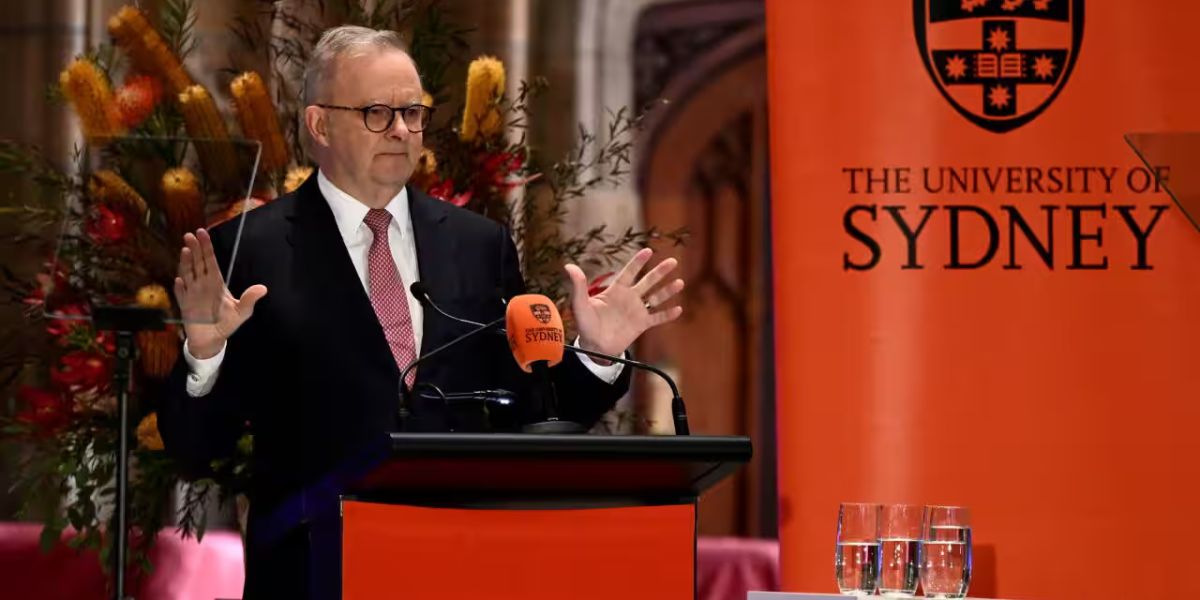
Prime Minister Anthony Albanese used his address at the University of Sydney to outline a “world-first” national framework for AI, covering energy, copyright, productivity, education and labour rights. Women in Digital says the plan cannot succeed without a clear strategy for the workers most exposed to AI-driven change, women.
Analysis from the Department of Employment and Workplace Relations shows men make up just 43.7% of the workforce in the most AI-exposed roles,[1] compared with 53.6% of women. When comparing the least AI-exposed roles, men account for 70% of workers, compared to women who hold approximately 30% of these roles.[2]
Separate research cited in Australia’s AI Opportunity report shows women are 10-40% less likely than men to use generative AI tools, a gap that risks compounding existing inequities in pay, progression and job security as AI reshapes the economy.
“This is a big moment for women to be a part of the conversation and AI strategy,” said Holly, Founder of Women in Digital.
“AI is going to change almost every job in this country, and women are standing right in the middle of that change. We can either design this transition with women at the table, or we can watch the gender gap in tech, in pay and in leadership get wider. The Prime Minister has built the room. Now we need to make sure women are in it.”
Women in Digital is calling on the government to back the Office of AI with clear commitments to gender equity, including:
- A seat at the table. Women, and organisations that represent them, must be included when the Office of AI sets its priorities, standards and advisory structures, not consulted after decisions are made.
- A funded transition plan. A national strategy, with real investment, to help women in AI-exposed roles build the skills and confidence to move into AI-enabled careers, not just AI-adjacent ones.
- Data that tracks the gap. Public reporting on how AI adoption, job impacts and productivity gains are tracked by gender, so progress can be measured and acted on.
- Industry accountability. Incentives for employers to close the AI adoption gap for women, including access to training, tools and time to build capability at work.
- Visibility in the national conversation. Women leaders, technologists and researchers represented in the public conversation on AI, alongside government and industry.
Women in Digital says the National Office of AI has a genuine opportunity to make Australia’s AI transition the most inclusive in the world, but only if women are part of building it from day one.
[1] clerical, admin, marketing, accounts
[2] trades, aged care, transport