

Team-Next-Genthe-robots-are-coming.jpg

April 10, 2026 Women in Digital

Holly Hunt, Founder & CEO of Women in Digital, shares her reflections from the Great Generational Debate.

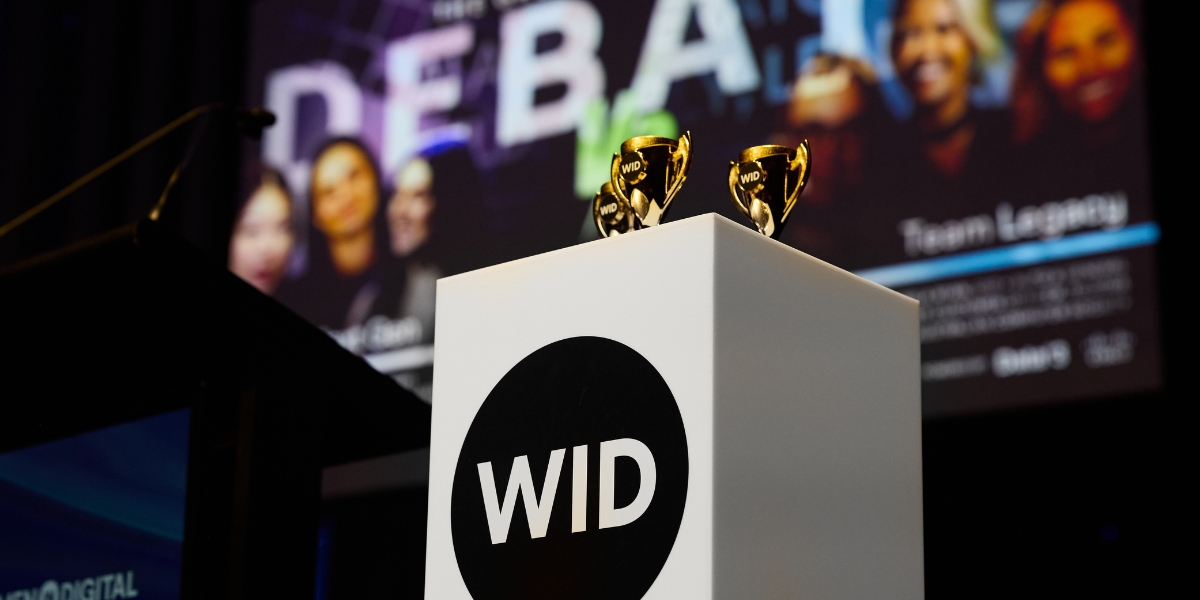
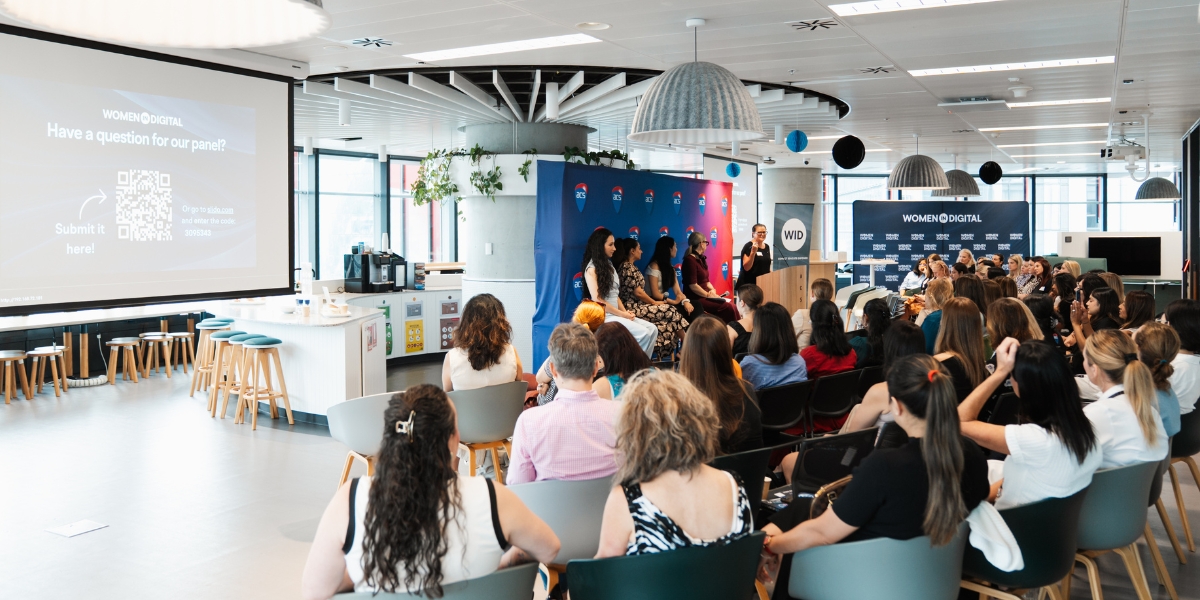
At Women in Digital’s Great Generational Debate, we brought together Team Legacy (Gen X and Boomers) and Team Next Gen (Gen Z and Alpha) to do something the workplace rarely makes space for — genuinely listen to each other. There were no winners. That was never the point. But walking away, I couldn’t shake a sense of unease.

As a Millennial, I found myself caught in the middle — nodding along to both sides. I related to Team Legacy’s belief in rolling up your sleeves and earning your seat at the table. I also respected Team Next Gen’s clarity about their own worth, their appetite for purpose, and their willingness to challenge systems that frankly do need challenging. But there is a tension that the debate surfaced that I don’t think we can afford to gloss over.

The uncomfortable truth about timing

Team Next Gen enters the workforce with higher expectations than any generation before them — and in many ways, rightly so. They want to understand the why behind commercial decisions. They want to be part of strategy conversations early. They will move roles if growth stalls. They have clearly defined boundaries and they are not afraid to use them.

These are not inherently bad qualities. In fact, several are admirable.

The problem is the timing.

AI is not a future threat — it is a present one. The entry-level roles that have traditionally been the training ground for careers in technology are already being replaced. The graduate pathway that Team Legacy walked, and that Millennials like me benefited from, looks fundamentally different today. In that environment, the expectations Team Next Gen are bringing to the table carry real
risk. When a junior employee signals early that they will leave if they aren’t in strategy conversations, or if the why isn’t clearly communicated — the cold, commercial reality is that it diminishes a leader’s incentive to invest in them. Mentorship, sponsorship, and genuine career development require time. And time-poor leaders will direct that investment where they see loyalty and commitment in return. Team Next Gen may be inadvertently doing themselves out of the very careers they want.

What this generation gets right

This is not a dismissal of Team Next Gen — far from it. One of the most memorable moments of the debate was a Next Gen panellist describing life as a game of chess: a game of strategy where you can never focus on just one piece. It was sharp, considered, and insightful.

Team Legacy openly admired their self-awareness and their refusal to derive all sense of worth from a job title. That evolution matters.

And they are right that the systems that got us here are not necessarily the systems that will take us forward.

The bridge worth building

The generational divide in the workplace is not a problem to be solved by one side conceding to the other. But it does require honesty.

For Team Next Gen: there is real value in seasons of intensity — in getting on with the job before you fully understand the strategy behind it, in demonstrating commitment before demanding flexibility. Adapting to the commercial realities of work, particularly in a rapidly shifting labour market, is not selling out. It is survival — and ultimately, it is how you build the influence to change the things that need changing.

For Team Legacy: the low seasons matter too. Supporting interests outside of work, investing in the development of junior talent even when the return is uncertain, and genuinely learning from a generation that has grown up with the world at their fingertips — literally — is not weakness. It is leadership.

As for me — I make no apologies for loving my work. For finding purpose in it. For believing that a career built with commitment and pride is something worth having. And I don’t think
Team Next Gen should apologise for wanting more from life than work alone. But in a world where machines are quietly taking the entry points, this generation cannot afford to let impatience cost them the career they are capable of building.

The robots are not waiting. Neither should they.


Leadership-in-the-Age-of-AI-Why-the-Human-Equation-Has-Never-Mattered-More.jpg

April 10, 2026 Women in Digital

Leadership in the Age of AI: Why the Human Equation Has Never Mattered More

Artificial intelligence is rewriting the rules of almost every industry in this country. From the mining giants of Western Australia to the fintech start-ups crowding Sydney’s CBD, no sector is untouched. 

Yet for all the breathless commentary about automation, machine learning and the imminent obsolescence of white-collar work, Australia’s most thoughtful business leaders are arriving at a counterintuitive conclusion: the AI era will be won or lost on fundamentally human terms.

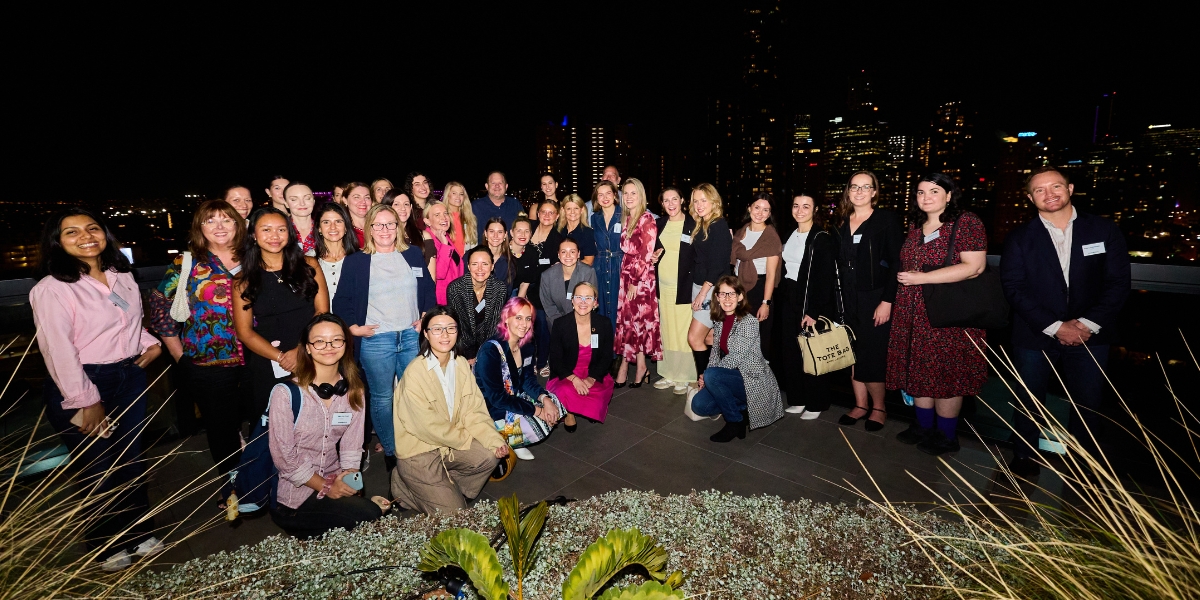
That was the unmistakable message to emerge from this year’s Women in Digital International Women’s Day gatherings in Brisbane, Sydney and Melbourne, three events that brought together leaders across multiple generations to confront one of the defining questions of our working lives. 

Not “what will AI do to our jobs?” but rather, “what kind of leaders do we need to navigate what comes next?”

The answers were more nuanced, and more hopeful, than the AI doomsayers might expect.

The Weight of Earned Wisdom

To understand where we are headed, it helps to understand where we have been. Generation X, who entered the workforce in the analogue era, built their careers through the digital revolution.  They did not merely adapt to change.  Gen X were key drivers of that change.

In industries like technology, where women were routinely underestimated, advancement demanded more than competence. It required the kind of persistent, credibility-building effort that reshapes institutions from the inside.  

The parental leave entitlements that younger Australians can take for granted now, the flexibility policies that have become standard in competitive workplaces, the growing acknowledgement of mental health as a legitimate workplace concern with none of this happening spontaneously. It was hard-won, over decades by professionals who were willing to challenge a status quo that was not built with them in mind.

Hence, that legacy is relevant directly to the AI transformation.  Navigating disruption with genuine, structural, unsettling disruption, requires exactly the qualities and characterisitics working generations of the seventies, eighties, nineties and early 2000s forged.  The qualities of resilience, institutional knowledge and informed judgement that only comes from having weathered profound setbacks and changes before.

The Brilliance of Questioning Everything

And yet, experience alone will not be enough. The younger professionals now entering Australia’s workforce bring something equally essential to the table, which is routinely misread by the leaders who need it most.

When a millennial or Gen Z employee asks why a decision was made, or pushes back on a process that has always been done a certain way, that is not insubordination. It is precisely the disposition that thriving in an AI-powered economy demands. These are professionals who will not accept inherited assumptions, who want and expect transparency from leadership and who want to understand the purpose behind their work, not simply to execute tasks without context. And that’s tough for managers and leaders.

In an era where AI can handle an ever-expanding range of routine cognitive work, the humans who will add the most value are those who question, synthesise and reimagine. 

Leaders who channel that energy effectively will build genuinely adaptive people who will grow organisations and beyond. Those who dismiss it as entitlement will find themselves leading teams that are neither innovative nor engaged.  In technology, retention and growth of our workforce are instrumental to organisational success.  Having the right people, in the right jobs at the right time, enables greater productivity which in turn drives performance and profitability. 

What Leadership Actually Requires Now

The best leaders of this era will be those who create environments where ideas are not gatekept by seniority, where psychological safety is genuine, curiosity is rewarded and the reasoning behind strategic decisions is shared openly.  That is challenging for some managers and leaders who have in previous times worked where organisational strategies and plans are kept behind closed doors.  Complicating this further, governance structures, shareholder policies and competitive advantage.

So perhaps, it comes back to a return to first principles. Workflows transform. But ownership of outcomes, continuous learning, engagement and a willingness to do the hard work, with these remain universal and non-negotiable. No algorithm substitutes for commitment and persistence.

Australia’s workplaces are at their most powerful and most productive when experience and fresh thinking operate together, not in opposition. The organisations that grasp this will be the ones who build cultures of genuine intergenerational collaboration and will be best placed to lead in the decade ahead.

The age of AI is here. The leaders who will define this generational change will be human-centric, human-positive and human-motivated.


Website-Banner-Image-Update-1200-x-600-px.jpg

April 10, 2026 Women in Digital

Artificial Intelligence – Opportunity Brings Immense Responsibility

There is no doubt we are working and living in a time of exponential change, where technological advancements are moving faster than ever before.

Whilst the crossroad of technology, leadership and generational forces is reshaping the modern workplace, AI is rapidly transforming how organisations operate with equity, representation, participation, belonging, and leadership evolving just as quickly.  To add, at Women in Digital’s International Women’s Day events held in Brisbane, Sydney and Melbourne, it is evident these subjects are only gaining momentum.

Panel discussions featuring senior leaders across science, data, technology, cybersecurity and global industry reinforcing the future of work will be shaped as much by human connection and culture as by technological innovations and advancements.

The evidence overwhelmingly supporting current challenges and opportunities are not simply about adaptation, but navigating profound shifts in how people work, how career paths evolve and how opportunities are created and shared.

At Women in Digital, we strive to ensure that the conversations inspired by this year’s IWD events are not tokenistic and that accountable actions are implemented in organisations across Australia. Women in Digital has prepared articles summarising the key takeaways and trends important to women, our male allies and business leaders across the digital and tech sectors.

Artificial Intelligence Opportunity

It is widely believed that Artificial Intelligence (AI) is the defining shift of the next decade.  AI represents a structural shift in how work is performed, how decisions are made and how value is created.  AI will impact the size of workforces and their capability. Roles that centre on repetitive processes are more vulnerable and open to immense change.  Some may evolve, many will disappear.

A key theme of our speakers this year highlighted that AI will only elevate the importance of human connection and capabilities and nothing will ever replace the enduring value of hard work, persistence and continuous learning.

The most effective strategy for navigating AI disruption is engaging and learning. Professionals who take the time to understand AI tools, experiment with them, and integrate them into their work will be better positioned than those who resist change. Many organisations are already investing heavily in workforce education – providing employees with access to AI tools and training programs that build familiarity and confidence.

These efforts serve a critical purpose: helping employees see AI not as a threat but as a tool for augmentation and productivityIn many cases, AI can eliminate repetitive tasks and allow professionals to focus on more creative, strategic, and human-centered work. In this new environment, the most valuable professionals will be those who combine technological literacy with human judgment with human connectivity.

As AI adoption accelerates, another issue becomes increasingly important: governanceAI systems can amplify existing biases if they are developed without diverse perspectives and ethical oversight.  This makes representation within AI development teams especially important.If the individuals designing AI systems do not reflect the diversity of the societies they serve, those systems may inadvertently reproduce existing inequalities.

Strong governance frameworks, ethical oversight, and inclusive development practices are therefore essential. Organisations must treat AI not simply as a technology initiative but as a responsibility that requires careful stewardship

Professionals who will thrive in an AI-driven world need to focus on developing the following skills:

Curiosity.
Individuals must take responsibility for understanding how AI tools work and how they can be applied. Continuous learning will become a professional necessity.

Critical Thinking.
AI systems generate outputs, but humans must assess their accuracy, relevance, and implications.

Creativity.
Original thinking, imagination, and the ability to see new possibilities remain uniquely human strengths.

Entrepreneurial Mindset.
Understanding how technology can solve real-world problems will create new opportunities for innovation and value creation.

Ethical Awareness.
As AI becomes embedded in decision-making systems, governance, transparency, and societal impact will become central leadership responsibilities.

Human Connectedness.
An AI-driven world will not be defined by the technology that surrounds us, but by our ability to use it to deepen empathy, strengthen relationships and preserve the human experience at the core of leadership and innovation within our professional and personal lives.

What Next?

The transition to an AI-driven future is not a passive event; it demands active participation and conscious leadership. The responsibility to harness AI as a force for good with one that promotes augmentation, productivity, and, crucially, equitable outcome, will rest with every individual and every organisation.

At Women in Digital, we hope that you allow the energy and insights from this International Women’s Day, serve you as a catalyst for action.

For business leaders, this means actively investing in governance frameworks, inclusive development teams, and comprehensive workforce education. For professionals, it means cultivating the essential human skills of curiosity, critical thinking, creativity and ethical awareness, the human traits that AI can never replace.


Shivani-Masterclass.jpg

February 20, 2026 Women in Digital

From Chaos to Clarity

The Leadership System Shivani Gupta Shared With Women in Digital

There’s a particular kind of tired that comes from working hard, and still feeling like you’re not getting where you want to go.

In our recent Women in Digital masterclass, leadership coach and entrepreneur Shivani Gupta spoke candidly about the seasons of business (and life) where effort doesn’t equal outcomes: strong revenue, but not enough cash in the bank; constant motion, but no real progress; a full calendar, but a persistent sense of chaos.
Her message was clear: chaos has a cost – to our decision-making, our teams, our energy, our results, and our relationships. The antidote isn’t more hustle. It’s clarity.

And clarity, Shivani taught, isn’t a personality trait. It’s a practice, supported by systems, cadence, and brave choices.

Masterclass Recap

Most of us default to effort when things feel uncertain. We work longer, say yes more often, and try to hold more in our heads. But chaos thrives on that approach. The “why” behind building clarity is simple: when your attention is fragmented, you make slower decisions, your standards slip, and your team fills the gaps with assumptions. Over time, that creates a culture where busyness replaces progress.

So how do you actually change behaviour — yours and your team’s — so clarity becomes the default?

1) Stop rewarding chaos with attention

In many teams, the loudest problem wins. The most urgent email gets the fastest response. The last-minute request becomes everyone’s priority. It feels responsible in the moment, but it trains your organisation to escalate instead of plan.

Change behaviour by making priorities visible and consistent.
A practical place to start is to define “musts” versus “nice-to-haves.” Shivani shared a simple daily practice: identify your top three “must do” outcomes for the day, and complete them before the noise gets a vote. The point isn’t productivity theatre. It’s decision hygiene. When you consistently act on priorities first, you teach your brain (and your team) what matters.

Try this: tomorrow, write your top three musts on a sticky note. If you only get those done, the day counts as a win. Everything else becomes optional, not emotional.

2) Replace “trying harder” with better roles

One of the fastest paths to chaos is role confusion. When people don’t know what they own, everything becomes a group project, or it all rolls uphill to the most capable person.

Shivani spoke about a common leadership trap: hiring people who think like you, then wondering why execution is messy. The deeper “why” is identity – we often feel safest when we’re surrounded by similar thinkers. But high-performing teams are built on complementary strengths.

Change behaviour by designing for differences.

Ask: where do we need vision, and where do we need integration? Who sets direction, and who builds the rhythm that makes direction real? In practice, this means clarifying decision rights, ownership, and boundaries, especially around high performers. When high performers become the default solution to every problem, you don’t just burn them out; you train everyone else to disengage.

Try this: list your team’s top five recurring decisions. Put a single name next to each: who owns it, who contributes, who approves. Clarity reduces dependence.

3) Turn meetings into decision machines

Meetings often become a weekly ritual of discussing the same issues with slightly different words. That’s not a meeting problem, it’s a behavioural norm: avoiding decisions feels safer than making the “wrong” call.

Change behaviour by making meetings serve one job: decisions.

A useful test Shivani offered: a meeting should create alignment, solve problems, or develop people. If it does none of those, it’s a social gathering with a calendar invite. Bring only the data you need, spend minimal time reviewing it, and invest the real time in solving what’s off track.

Try this: end every meeting with three lines: Decision made. Owner. Next action by when. If you can’t write those lines, the meeting didn’t do its job.

4) Make “no” a strategic skill, not a personality trait

Boundary issues are rarely about other people. They’re about what you tolerate because saying no feels uncomfortable. Many of us (especially women) have been rewarded for being helpful, responsive, and agreeable, until it becomes a silent resentment loop.

Change behaviour by practising small nos.

Start with low-stakes moments: a meeting you don’t need to attend, a task you can delegate, a request that doesn’t match your goals. A calm no is a leadership act; it protects focus and models sustainability.

Try this script: “I can’t do that, but I can do this.” Boundaries land better when you pair them with an alternative.

The real shift: clarity is a cadence

The most powerful idea Shivani shared is that clarity isn’t an annual planning exercise. It’s a rhythm. Prioritise daily. Review weekly. Adjust every 90 days. Create a culture where decisions are made, ownership is clear, and attention follows what matters, not what shouts.

If 2026 is going to feel different, don’t aim for a total overhaul. Pick one behaviour to change this quarter — and practise it until it becomes normal. That’s how chaos turns into clarity: not by working harder, but by working on purpose.


Women in Digital are hosting 10+ Masterclasses throughout 2026. As a Women in Digital Member, you can register for these Masterclasses for free, as well as access them through the Women in Digital Member Portal. Sign up as a member today!


2026-WID-Event-Banner_2160x1080_Eventbrite-2-1200x600.jpg

February 12, 2026 Women in Digital

Data In, Data Out: The Hidden Truths Behind AI, Bias and Trust

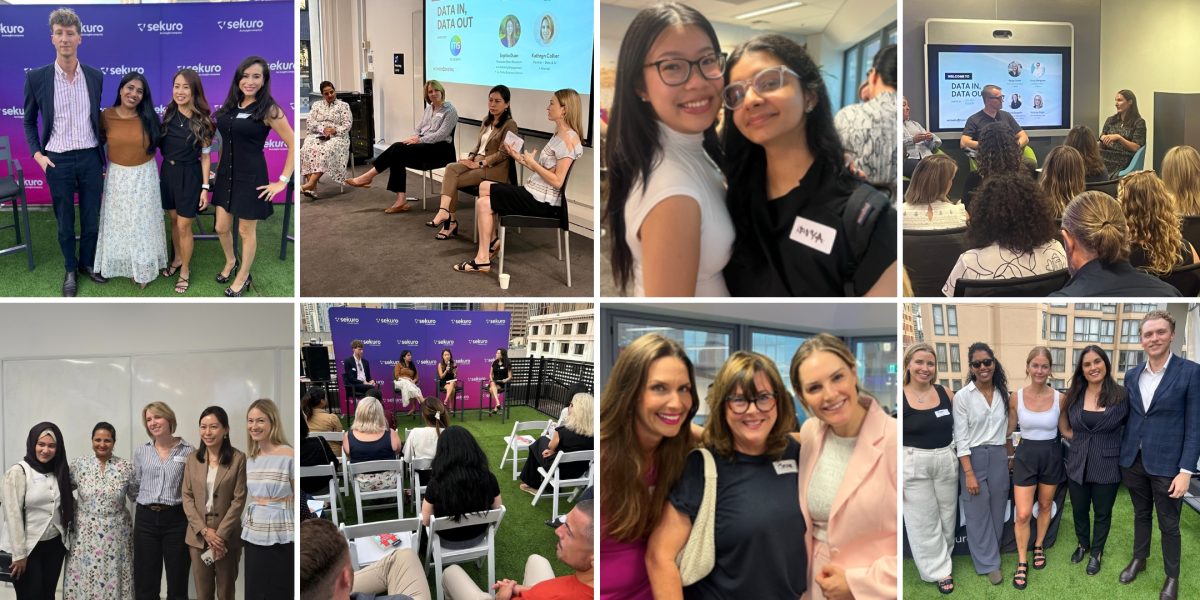
Across Brisbane, Sydney and Melbourne, our Data In, Data Out panel brought together leaders, technologists and decision-makers to unpack a simple but powerful truth:

What goes in absolutely determines what comes out.

As AI continues to influence the way we collect and analyse data, strategy is only as powerful as the integrity behind the data that fuels it. And while we often focus on tools, automation and acceleration, this session was designed to spark the uncomfortable, but necessary, conversations about what sits beneath the surface.

Because as we dive deeper into an algorithm-driven future, one thing became clear… Decisions are only as fair as the data behind them.

Why This Discussion Matters Right Now 

An excerpt from Carrie Mott’s Blog ‘Women In Digital “Data In, Data Out” Series: When AI Moves Fast, Trust Has to Move Faster

This “Data In, Data Out” series was designed to be practical, honest and grounded in lived experience. Not theory. Not hype. The real trade-offs. The blind spots. The uncomfortable “wait… are we sure this dataset should even exist?” moments. 

We are seeing a widening gap between ambition and readiness.

ADAPT’s State of the Nation: Data and AI in Australia 2025 shows only 24% of leaders believe their data is AI-ready, despite AI being treated as strategic across many organisations. That gap is not abstract. It is structural. And it is growing.

Globally, McKinsey reports that 65% of organisations are now using generative AI regularly in at least one business function, nearly double the previous year. Yet trust in digital systems continues to fluctuate as high-profile data incidents persist. Ambition is accelerating. Foundations are not always keeping pace. And the broader context matters.

UN Women Australia’s International Women’s Day 2026 theme, “Balance the Scales”, alongside the global campaign “Give to Gain”, calls for structural fairness, shared accountability and collective action. If we want fair outcomes at scale, we have to build fair systems from the start. Which brings us back to data.

Key Takeaways from the Panel

Bias is not just a data problem

We often blame the algorithm. But one of the strongest themes across all three cities was this: bias is most dangerous during interpretation and application.

You can have “clean” data. You can have technically robust models. But without context, diversity of thought and critical oversight, you will still fail.

Bias does not magically disappear at scale. If it exists in the input, it multiplies in the output. And in a world where AI consumes and generates information at unprecedented speed, that amplification happens almost instantly.

Traditionally, bias travelled at the speed of human reporting. Now, it moves at the speed of machines. Which makes Human-in-the-Loop (HITL) governance more critical than ever.

Trust Is the Ultimate Currency

Technology adoption is not just about capability. It is about belief. We discussed the real risk of failing data integrity: erosion of trust.

If a frontline team uses a “Next Best Action” tool and it fails them twice, they will stop using it. It doesn’t matter how sophisticated the model is behind the scenes. Cultural buy-in disappears quickly. And without trust, you are not a data-driven organisation, you are simply a data-producing one.

Trust is built through:

  • Transparency
  • Traceability
  • Clear ownership
  • Accountability in action

Diversity Is a Technical Requirement

Another powerful theme across the panels: diversity is a technical necessity. If the room where the models are built is not diverse, the insights will not be either. Reducing bias requires expanding perspective — across data science teams, leadership, product owners and decision-makers. Inclusion cannot be assumed. It must be designed.

The decentralisation of data tasks makes this even more important. Today, almost everyone manages data in some form — but not everyone is trained as a data manager.

AI may feel like the answer to life, the universe and everything, but the fundamentals still matter:

  • Data quality
  • Data completeness
  • Context across the lifecycle
  • Ethical interpretation

And layered across all of this is something deeply human: psychological bias. That psychological layer, unique to our lived experiences, influences how data is framed, questioned and acted upon.

The Simple Truth We Couldn’t Escape

Across three cities and countless conversations, we kept coming back to the same conclusion:

Data integrity is strategy.
Inclusion is architecture.
Trust is currency.

And what goes in absolutely determines what comes out.

The future of AI will not be defined by the tools we adopt, but by the standards we set – in leadership, governance, diversity and culture.

Thank you to everyone who joined us in Brisbane, Sydney and Melbourne for leaning into the complexity and engaging in the conversations that matter.

And, of course, to everyone who attended and contributed to the conversation! Stay curious, question everything, and remember: What goes IN absolutely determines what comes OUT. 


In-convo-with-Bevan.jpg

September 15, 2025 Alyssa Hughes

In Conversation with Bevan Slattery:

Lessons on Careers, Courage and the Future of Technology

The future of technology is being shaped right now, and for graduates and early-career professionals, knowing where to focus their time and energy has never been more important. At Women in Digital’s In Conversation with Bevan Slattery, powered by Subco, guests gathered to hear one of Australia’s most influential technology leaders share his personal journey, reflections on career growth, and insights on what lies ahead for the digital economy.

The event also featured a panel discussion with Kristy Arcodia (Acting Chief of Staff, SUBCO), Amanda Pinaud (Head of Cyber Security Compliance, Megaport), and Daisey Stampfer (Group Executive, Business and Wholesale, Superloop), who added their perspectives on career transitions, challenging stereotypes, and finding opportunity in disruption.

What followed was an evening filled with candid stories, practical advice, and future-focused inspiration.

Building a Career Without a Map

Bevan opened with honesty: as a young person, he didn’t know what he wanted to do. Without qualifications or clear expectations, what he did have was curiosity, and that curiosity led him down pathways he could never have planned.

His advice for the next generation? “Give things a go and work towards being indispensable.” Many of Bevan’s early ventures were built with people who didn’t have degrees but had drive, adaptability, and the courage to learn on the fly. At Megaport, for example, his first employees, Mitch and Cam, along with the CEO, all came without formal degrees. For Bevan, qualifications are valuable, but they aren’t everything.

Learning From Failures

Bevan was quick to share that his success has been shaped just as much by failures as wins. He spoke about business decisions that didn’t go his way and the painful lessons it taught him, including the importance of mastering accrual accounting and, most importantly, owning the customer.

Integrity, he emphasised, is critical. In a fast-moving industry where hype often overshadows substance, building trust and doing right by customers is what ensures long-term success.

The “Chair Swivel” Moment

While technology has enabled remote and flexible work, Bevan underlined the irreplaceable value of being physically present. He called it the “chair swivel moment”. Those small, spontaneous interactions in the office can spark collaboration, mentorship, and opportunity. And for young professionals, showing up in person creates visibility and opens doors that might otherwise remain closed.

Male Allyship and Courage

The conversation also turned to gender equity and allyship. Bevan was clear: male allyship wasn’t a conscious choice for him, but a natural outcome of backing talent wherever it appeared. His advice to leaders? “Throw women in, regardless of what they’re saying about themselves.” Too often, capable women hold back out of hesitation or imposter syndrome. By giving them opportunities anyway, leaders can help build their confidence.

The panel echoed this sentiment, sharing how mentors and sponsors had pushed them into roles before they felt ready, giving them the external perspective needed to see their own potential.

Advice for Young Women

One of the evening’s standout moments was Bevan’s advice for young women:

  • “Thirty is not the new twenty.” Use your twenties intentionally to build skills, experiences, and networks that will pay off later.
  • Focus on building personal and identity capital, the experiences and achievements that become the foundation of your career story.
  • Find mentors who can offer courage and grace when self-doubt sets in. 

Imposter syndrome, the panel noted, often surfaces during times of change or in the “squiggly” career paths many women navigate. Talking to others, taking stock of achievements, and recognising the milestones you’ve reached are important practices for building confidence.

The Future of Tech and AI

When asked about what’s next, Bevan highlighted the opportunities, and threats, of artificial intelligence. AI is not only reshaping industries but also redefining the skills required in the workforce. His prediction? AI-native graduates will bring fresh perspectives, making suggestions and solutions others may not have considered.

However, he also stressed the importance of sovereignty. As global giants like Google and Meta build powerful systems, Australia must ensure ownership of its own data and connectivity at hyperscale. Without it, we risk falling behind in both innovation and security.

For women in particular, the intersection between technology, AI, and people presents a unique opportunity. With strong soft skills and an ability to bridge technical and human considerations, women are well-placed to lead in this new era.

Balance, Mentorship, and Moving Forward

The evening closed on a personal note: the myth of balance. Bevan reminded the audience that it’s unrealistic to expect perfect alignment between work, family, and study at the same time. Instead, it’s about making intentional choices and recognising that different areas will take priority at different stages.

Mentorship came up again as a theme – having external voices who can offer guidance, challenge perspectives, and provide encouragement is essential to career growth.

Final Thoughts

The conversation with Bevan Slattery and the panel of industry leaders was more than just a glimpse into the future of technology. It was a reminder that success comes from curiosity, integrity, and the willingness to step into opportunities before you feel ready.

For the graduates and early-career professionals in the room, the message was clear: be intentional, build your identity capital, embrace learning, and don’t wait until you feel “ready” to take the leap.

As the pace of digital change accelerates, these lessons will be the ones that turn disruption into opportunity.


The 2025 Women in Digital Report is now available!

The conversation around gender equity in tech has never been more urgent or more important. The 2025 Women in Digital Report “Driving Change in Tech 2025” dives deep into the lived experiences of people in digital and technology roles across Australia, providing a powerful data-driven overview of where we are, and where we need to go.

Click to download the report!


Inspired-Conversations-Blog.jpg

September 4, 2025 Women in Digital

Inspired Conversations: Transforming Innovation into Action

Artificial Intelligence is no longer a future concept; it’s a present-day tool reshaping how we work. Across Women in Digital’s Inspired Conversations events held around Australia, professionals from diverse industries came together to discuss how technology, creativity, and innovation are influencing the way we work and live.

Making Work Easier with AI

One of the most talked-about themes was the role of AI in reducing the “clicks and clacks” of repetitive work. From screening applications to compiling reports or managing content, AI tools are helping people reclaim valuable time to focus on more strategic and creative thinking.

Getting the Input Right

AI is only as good as what you feed it. Attendees highlighted that the clarity and structure of prompts directly affect the quality of AI’s output. Breaking tasks into smaller, step-by-step instructions often leads to more accurate and useful results. This insight is particularly powerful for those using AI to support complex or large-scale projects.

Beyond Efficiency: Connecting and Collaborating

AI is not just about productivity, it’s also bridging gaps. Its multilingual capabilities are helping global teams collaborate more seamlessly, while its adaptability means people in both technical and creative roles can use it to support their work.

Security, Ethics, and Access

With opportunity comes responsibility. Concerns were raised about the ethical use of AI, data security, and who gets access to enterprise-grade tools. While free platforms make AI accessible to many, they can lack the security needed for sensitive tasks. On the flip side, premium solutions are often locked behind paywalls, limiting their use for employees who could benefit most.

Attendees also discussed the risks of over-reliance on AI, from creative job displacement to environmental impacts and the reliability of open-source information. The consensus? Due diligence and critical thinking are essential.

Innovation in Practice

The conversations went well beyond AI. A recurring challenge for innovation in the workplace is time—or the lack of it. Day-to-day pressures, budget-driven decision-making, and slow approval processes can stall even the best ideas.

But practical solutions emerged:

  • Borrow inspiration from existing ideas and adapt them.
  • Build small proofs of concept to show impact before scaling.
  • Practice innovation in your personal life to develop a mindset you can apply at work.
  • Surround yourself with diverse thinkers—fresh perspectives spark new solutions.

Everyday Tools that Make Life Easier

Participants also shared some of their favourite apps for improving productivity, wellbeing, and creativity. From weather tracking to music, fitness, parenting, and healthy eating, here are a few that got a mention:

  • Rain Parrot
  • Todoist
  • Live360
  • Canva
  • ClassPass
  • LTK
  • K-pop Piano Beat
  • Solar Cloud
  • Yuka
  • Foodvisor
  • Huckleberry

People First

Perhaps the most important reminder was that innovation, whether through AI or other tools, works best when people are at the centre. Involving staff early, phasing in new technologies, and creating space for curiosity help build confidence and reduce resistance to change.

Final Thoughts

Inspired Conversations showed us that innovation doesn’t have to be overwhelming. Whether through AI or small everyday changes, the key is to stay curious, test ideas, and keep people at the heart of transformation. The future of work isn’t just about technology… it’s about how we choose to use it together.


The 2025 Women in Digital Report is now available!

The conversation around gender equity in tech has never been more urgent or more important. The 2025 Women in Digital Report “Driving Change in Tech 2025” dives deep into the lived experiences of people in digital and technology roles across Australia, providing a powerful data-driven overview of where we are, and where we need to go.

Click to download the report!


Meet-the-C-Suite-Event-Recap.jpg

September 25, 2024 Women in Digital

A full recap of our Meet the C-Suite Brisbane Event

The Meet the C-Suite event, powered by QUT Entrepreneurship, brought together aspiring professionals and Brisbane’s top tech executives for a series of group mentoring sessions. These sessions provided an invaluable chance for participants to gain insights from seasoned leaders, helping to shape their career trajectories. Throughout the night, one theme resonated clearly: the importance of mentorship in career growth.

The Value of Mentorship in Career Growth

Mentorship is more than just receiving advice; it’s about having a trusted guide to help you navigate your career path, identify opportunities, and avoid potential pitfalls. A good mentor can accelerate your growth by offering perspectives shaped by experience and offering the support needed to thrive.

Angela Jones, CIDO at Workcover QLD, spoke to this directly:

“There’s no secret sauce to building high-performing teams, but having a vision creates connection, clarity, and kindness.”

This kind of vision and connection is what great mentors can help cultivate in rising professionals. Through shared experiences, mentors can help mentees recognise that they don’t have to fit a mould to be successful. Angela encouraged participants to not count themselves out for roles, even if they felt underqualified.

Thriving in a Relatable Environment

In any career, the culture of your workplace can greatly impact your personal and professional well-being. Angela Ryan, CIO at Auto & General, reinforced the idea that since so much of our confidence comes from our jobs, it’s important to find an environment that understands and supports this.

“For better or worse, we get a certain amount of confidence from our jobs. It’s important that the culture of the workplace understands that.”

Workplace environments that foster trust, transparency, and inclusivity allow individuals to thrive. Leaders like Tracy Whitelaw, CDO at LGAQ, emphasised the importance of building relationships to create these environments. Her approach of connecting with each team member through regular coffee catchups exemplifies how strong relationships foster a thriving work culture.

“At my level of responsibility, my job is about relationships. Clear is kind—be direct when giving feedback.”

Growing Your Career and Building Confidence

Mentorship also plays a key role in building confidence. Often, we may doubt our qualifications for certain roles, as Angela Jones mentioned, but mentors help challenge those doubts. Offering clarity on where strengths lie and how they can be applied, mentors can propel individuals into new opportunities.

Karishma Darr, CIO at CleanCo, reminded attendees of the importance of taking risks in their careers:

“Sometimes you feel like you are failing, but you have to take the risk to make it work.”

This sentiment was echoed by Dr. Joni Sytsma, CTO at iLAuNCH, who offered a unique perspective on failure:

“Failure is what success smells like.”

Both leaders encouraged participants to see failure not as a deterrent but as a stepping stone to growth. This shift in mindset is essential for career advancement, and mentors can play a vital role in fostering this outlook.

Leading with Transparency and Trust

Several of the mentors spoke to the importance of transparency, direct communication, and building trust in teams. Remona Murugan, Head of Technology Platforms at Rio Tinto, emphasised that clear and direct feedback is essential for cultivating trust within teams. For her, storytelling is a key tool when leading teams and connecting with stakeholders.

“Transparency and clear, direct feedback create trust.”

Remona also shared her strategies for balancing professional demands with personal commitments, such as dedicating thinking time and prioritising family dinners—an important reminder that success also involves setting boundaries. “Dinner with family is non-negotiable.

Leaders like Wendie Lee, CPO at Flight Centre Travel Group, echoed these thoughts, emphasising the importance of asserting your worth, while managing expectations clearly.

“Know your worth and fight for it. When you can’t employ people into your team, you must develop your team, or your team won’t be set up for success.”

Her advice to ask for what you want also struck a chord. She encouraged participants to speak up for their needs, as leaders may not always know them unless explicitly communicated. “Ask for what you want—your leader doesn’t know if you don’t ask.

Career Growth Requires Intentional Leadership

The mentoring sessions also provided deep insights into intentional leadership. Juliet Alabaster, COO at BEDA, highlighted the importance of continuous professional development, particularly focusing on honing soft skills to enhance leadership effectiveness.

“Soft skills are important. Being able to flex is key.”

Alexa Kane, CCO at Felix also shared advice on becoming more data-driven and commercially focused in leadership roles. Her emphasis on observing before stepping in to offer insights and ideas encourages intentional, thoughtful leadership.

“Being data-driven and commercially focused is critical, particularly when presenting insights.”

Final Thoughts

The Women in Digital Meet the C-Suite event was a powerful reminder of the importance of mentorship, not just for professional development but for personal growth. The insights shared by the Brisbane tech executives provided invaluable guidance on building relationships, taking risks, thriving in supportive environments, and navigating the path to leadership.
This event was a testament to the power of community and mentorship in shaping future leaders. We’re excited to see how these conversations will inspire career growth and create lasting impacts within our community.


Become a Women in Digital Member

Are you passionate about connecting with like–minded humans? Is professional development important to you? Do you want to take active steps towards creating your own career opportunities? Welcome to Women in Digital’s Individual Membership!

Whether you’re looking to expand your circle, score your next promotion, build professional recognition, return to the workforce, make a pivot in your career, or shape the future for women in digital or more broadly, the future of technology… we want to help YOU achieve your goals with the support of our welcoming community.

Become a Member


1000013541-1200x904.jpg

August 28, 2024 Women in Digital

The Juggle Is Real: Insights from Our Perth Event on Finding Balance

Women in Digital made its debut in Perth in August, and what an incredible evening it was! Hosted at The Melbourne Hotel, the event brought together some of Western Australia’s most inspiring female digital leaders to discuss a challenge facing many of us: finding balance in our personal and professional lives.

The panel, powered by our new corporate members auDA and delivered in collaboration with WiTWA, featured insights from Esther Anderson (Founder and Digital Strategist at Teck Design & Marketing), Bec Nguyen (Founder and Director at Upbeat Digital), and Tina Ambrose (Co-Chair at Women in Technology WA Inc.). Moderated by Andrew McCallum, the discussion was as enlightening as it was empowering, offering attendees practical advice and a sense of solidarity in their shared experiences.

Our Top Three Takeaways:

💡 Have Empathy for Yourself

One of the most resonant messages of the evening was the importance of self-compassion. In a world that often demands perfection, it’s easy to be hard on ourselves when we fall short. The panellists reminded us that it’s okay to acknowledge our limits and to treat ourselves with the same kindness we would extend to a friend. Balance starts from within, and that means prioritising our well-being just as much as our responsibilities.

💡 No One Size Fits All When It Comes to Balance

The quest for balance is deeply personal, and what works for one person might not work for another. The panellists shared their unique approaches to managing the many demands of life, emphasising that there’s no universal formula. Whether it’s structuring your day differently, seeking support, or redefining success on your terms, the key is to find what works best for you.

💡 When It Does Come Time to Stop or Take a Break, Don’t Let Work Into Your Safe Space

In our daily lives, the lines between work and personal life can easily blur. The panellists stressed the importance of protecting your personal time and space from work intrusions. Whether it is setting boundaries with your devices or creating a physical space where work is off-limits, maintaining this separation is crucial for recharging and preserving your mental health.

The evening wasn’t just about listening—it was about connecting. The energy in the room was palpable, and it was clear that everyone left feeling a little more empowered and inspired.

Looking Ahead

This event was just the beginning of our journey in Perth. As we continue to grow, we’re excited to bring more opportunities for connection, learning, and support to women in digital across Australia. Stay tuned for more events, and if you missed this one, don’t worry—there are plenty more chances to get involved.

Thank you to everyone who attended, and a special thank you to our panellists and partners, auDA and WiTWA, for making this event possible.

Here’s to finding balance, together.


Join us at our upcoming ‘How To Negotiate A Pay Rise’ webinar

To help you gain invaluable knowledge and strategies to confidently navigate the negotiation process and advocate for your worth, Alex Hanlon from Fair Pay Negotiations will be helping us master negotiation strategies for a successful outcome. Alex is a seasoned executive who brings in depth experience of complex problem solving, strategy development, crisis management and recovery.

Register Today


She-Codes-X-WID.jpeg

January 20, 2021 Women in Digital

At Women in Digital, we are fierce advocates for connecting, educating, and empowering women to give them the skills and support they need to thrive in the tech industry. We are very lucky to not be alone in this mission and another great organisation trying to build up women (and software) is She Codes. We were beyond ecstatic to be able to attend their She Codes Plus Brisbane Showcase last month. Keep reading to learn a little more about She Codes and some of our key takeaways from the night. 

Facts are facts. Despite national conversations about diversity in tech, women are still largely misrepresented in the tech industry. According to ARN, only a fifth of Australia’s IT graduates are women! While yes, diversity statistics are slowly improving, clearly, there is still a long way to go and this is why we love to support organisations such as She Codes.

In late 2020, we had the incredible opportunity to attend the She Codes Plus Showcase at Lightspace in Brisbane. If you haven’t heard of She Codes, you’re missing out! She Codes is on a mission to teach women coding skills, get women into technical careers, and build communities of like-minded women. Their vision is to increase diversity in tech by inspiring 100,000 women across Australia by 2025 and this is absolutely something we at Women in Digital can get behind.

Run in partnership with BHP, the She Codes Plus program is a six-month part-time course that focuses on supercharging the tech careers of women. This showcase was an opportunity to celebrate their achievement, share their portfolios and connect them with other professionals in tech including recruiters, hiring managers and potential industry mentors.

We were thrilled to attend this fantastic event and celebrate the 2020 graduating class. We were equaly excited to listen to a range of fabulous panellists including Sammy Herbert, Peta Ellis, Emily Taylor, Rene Chappel and Sorcha Abel (who was also the 2020 Women in Digital Awards Technical Leader of the Year – go Sorcha! See all our winners here). These women are five powerhouse leaders with an accumulative 78 years in the industry (woah!). They are also key role models for young women in tech. If there’s anything we’ve learned at Women in Digital, it’s that ‘you can’t be what you can see’ which is why showcasing these role models in this industry are so important.

Here are our key takeaways from the SheCodes panel discussion…

Connect with your network around you

You might have heard the saying that ‘your network is your net worth’ and it’s true! Although it may not be your all-time favourite activity, I think we can all agree that networking is a key skill for any professional. Building a network filled with strong, quality relationships is just as important. So if you find yourself wanting to level-up your networking game, start small and try ‘nudging’ one person a day. Watch over time as good things happen!

Be okay with not knowing all the answers

As much as we wish we could be experts in everything, that is never going to be a realistic goal. But that’s okay. This is your opportunity to ask questions, collaborate with others and build connections with other professionals in areas you may be unfamiliar with. However, if this is not your vibe, another way you can learn is by simply throwing yourself in the deep-end! What better way to learn than through experience?

Value your experience

Your experience is unique to you and to be honest, it is more than a lot of people have! Though many people follow similar career paths, it is highly unlikely your pathway is identical to any other individual and you, therefore, you have different (and meaningful) insights to bring to the table. So make your experience and career journey be your unique point of difference and flaunt it!

Find a mentor to support you through the journey

This all goes back to the importance of your network. Finding a mentor to guide you or simply offer advice throughout your career plays a key role in your network. Whether that’s a former teacher, past employer, or maybe someone you have looked up to in your industry, it’s always worth reaching out. Most people are more than happy to provide some form of mentorship and share their experiences with you.

Appreciate it’s not going to be amazing immediately – it’s a journey

The idea of a linear career is long gone. Hey, we’re not saying that you won’t thrive immediately at the beginning of your career journey (some people do!). But in the 21st century, most people will find that their career pathways become ‘squiggly’ rather than straightforward. This means it is important to accept and embrace that there is more than one way to achieve what you want in your career. You can read our insights from the Women in Digital Squiggly Careers Panel here.

Imposter syndrome is something we hear a lot of women in digital struggle with and a narrative we desperately want to change! Here are the She Codes Showcase panel’s top tips on beating imposter syndrome:

Go to meetups – once you’re there, doors will open

Can you tell we love networking? Guilty as charged! But we can’t stress this enough and neither could the SheCodes panel… whatever your experience or background, it is so important for women in digital to take opportunities to connect with others in your industry. If a door opens, assume inclusion, (don’t talk yourself out of it) and walk right through. You never know what might happen! Especially in the tech space, there are more and more networking and professional development events popping up for you to enjoy. We recommend challenging yourself to attend at least one event a month and bringing a friend to back you up if you’re nervous.

Personify your negative persona and tell it to go away

No one likes a ‘negative Nancy’. If you take anything away from this blog, let it be this! A lot of people have a nagging voice in their head that feeds on and metastases any feelings of inadequacy and failure. Does this sound like you? Go ahead and visualise this voice as a personification of your negativity. Name it, picture it, and every time you catch [insert name of inner critique here] being a voice of irrational negativity, just tell it to bug off! Don’t be your own worst enemy!

Go to your crew to gas you up

We are all social creatures. Whether you’re an introvert or extrovert, we naturally crave communication in some capacity (some more than others, of course). This is why finding your work crew may very well be the secret to both personal and collective success. If you need a boost after a rough day or just need some general motivation, connect with your crew and have them refuel your drive – sometimes you just need to let someone else be your cheerleader (we all know you are always being a cheerleader for someone!)

Verbalising the issue

If you’re a ‘fake it til you make it’ type of person and this works for you, then go for it. But truthfully, a lot of people struggle with nerves and it’s 100% okay to 1. Feel that way and 2. Verbalise that you feel that way. Remember, your coworkers, employers, and employees are human too. Most likely, they will appreciate your honesty and be able to sympathise. Plus, sometimes it can be a great ice breaker to verbalise your nerves.

Stop looking up at the things to do, look back at all the things you have done

My guess is that a lot of people reading this are looking forward to opportunities to level-up in their career. That’s great! You’re probably ambitious and hungry to succeed and we can’t fault that. But every now and again, it’s important to also look back at things you have done, take time to reflect and appreciate your accomplishments along the way. You earned it!

You should only be comparing yourself to you

Too many people fall into the trap of comparing themselves to others. It’s an easy thing to do and we have all done it at least once (or more 😂) in our lives but as soon as you stop that, the better off you will be and likely happier in general. There’s always someone who you think knows better when reality is, someone is thinking that about you in the same way! So next time, keep that in mind. Your career journey is YOUR journey. Keep doing you and go after what YOU want!

Final Top Tips:

  • Keep learning – It’s okay not to know everything. Google is your friend and so are industry workshops!
  • Find your tribe – Who are those special people in your life that will support you and your career no matter what?
  • Go and pitch yourself to someone else – Take a chance and put yourself out there! If nothing else, it will become a fantastic opportunity for feedback and confidence building.
  • Stay mainstream and don’t specialise too early – ‘Early specialisers’ may find themselves disadvantaged because they have boxed themselves into a corner in the ever-changing modern tech world. Broad experience is key for long-term success so learn as much as you can before deep diving into one specialisation.

A huge thank you to BHP, Amazon Web Services and BDO for sponsoring these amazing community events/ initiatives. Make sure you follow She Codes on LinkedIn to stay up to date on any upcoming events and workshops!

If you yourself are looking to hire some tech superstars, seeking your next opportunity, or wanting to partner with us to support diversity in digital, get in touch! We would love to connect with you. Follow us Facebook, Instagram and Linkedin!