
Blog-Corporate-Spotlight-5.png

March 26, 2020 Women in Digital

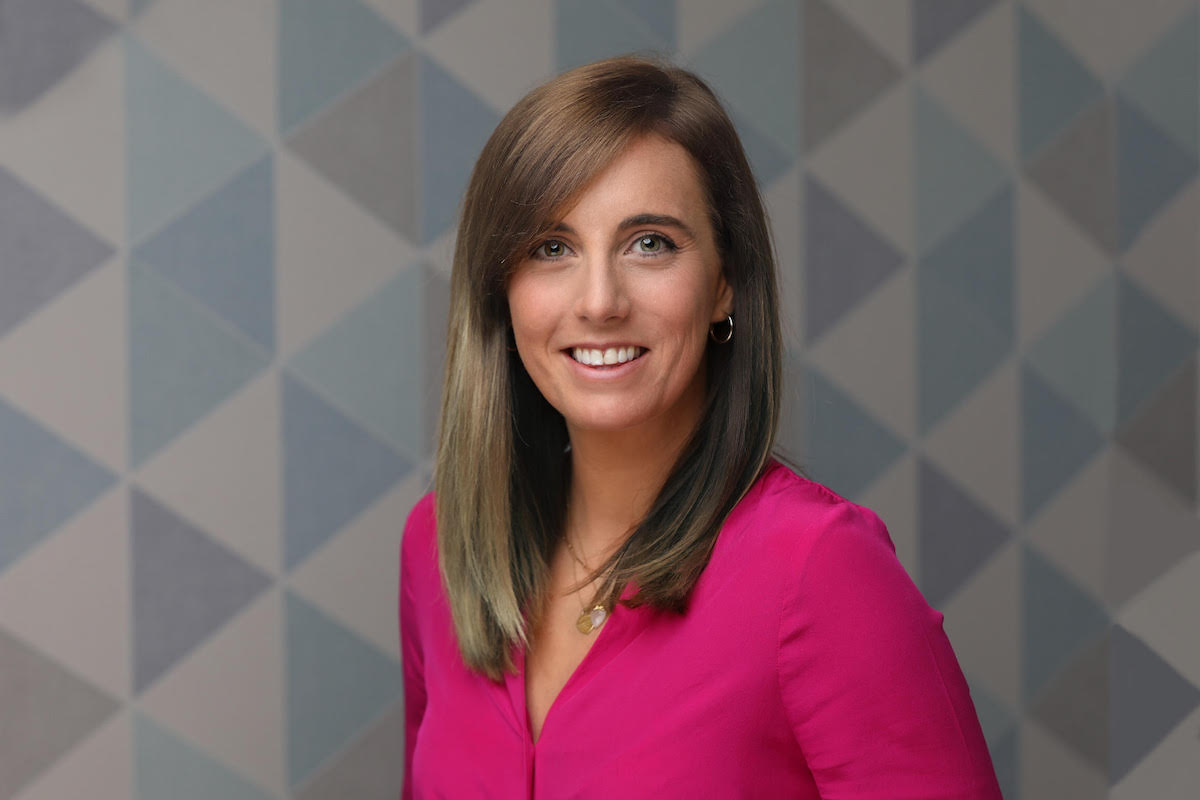
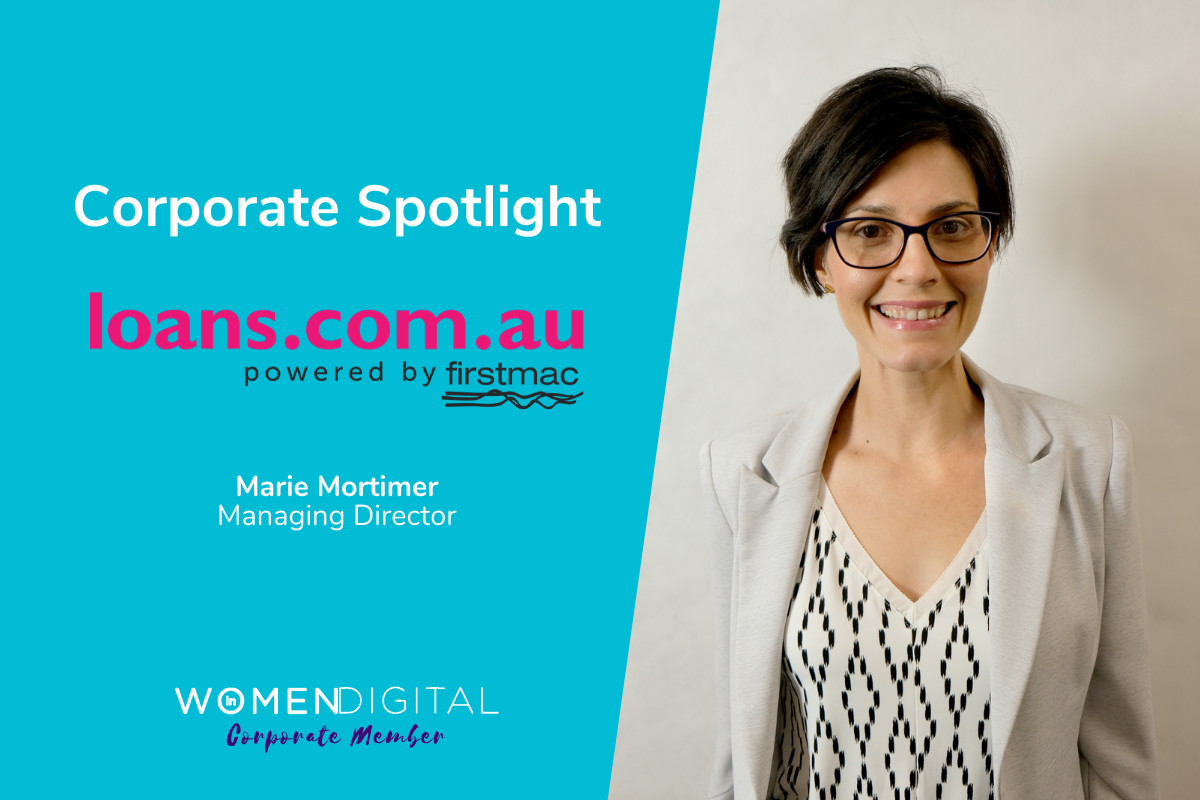
Our job at Women in Digital is pretty special; we get to meet intelligent women and partner with phenomenal digital-centric businesses and sometimes when we are extra lucky, these two intersect. Enter our latest Corporate Member loans.com.au headed up by the accomplished Marie Mortimer. loans.com.au is an award-winning online lender headquartered in the heart of Brisbane, Australia. We sat down with Marie to discuss all things loans.com.au, fintech and the importance of diversity in digital.

How would you describe loans.com.au in just one sentence?

Loans.com.au is one of Australia’s largest online lenders of home and car loans, ​and we exist to make it easier for people to own and invest in property.

How long have you been at loans.com.au?

I started loans.com.au 9 years ago in 2011​, and have since grown it into a business with over $6 billion worth of home loans under management.

What is one thing not many people know about Loans.com.au?

Loans.com.au is a part of the Firstmac Group who are Australia’s largest non bank lender. By dealing with loans.com.au, customers get the advantage of low interest rates because they are dealing with the funder direct, there is no middle man. ​Plus, we’re a Premier Sponsor of the Brisbane Broncos.

How did you enter a career in the finance sector?

I started my career in finance when I finished my degree at QUT in 2002. I have a Bachelor of Business majoring in Banking and Finance with a Funds Management extended major. Quite a mouthful – but I find finance interesting!

What made loans.com.au want to become a Women in Digital Corporate Member?

As a female founder and leader with a lot of women who work for me, organisations like Women in Digital are really important. The finance, technology and digital industries are typically very male dominated, so finding our voice as a group is important. This group brings a lot of different women across many sectors together with their joint passion for digital. loans.com.au is proud to be a part of this network.

Obviously diversity in digital is important to you but what is your definition of diversity and how or why do you think diversity is important?

I believe that diversity isn’t just a ‘KPI target’ that we should be trying to hit. I think it’s something that organisations should live and breath because diversity brings different ideas and concepts into every organisation. By willing to accept different points of view, companies can only flourish and grow. It’s better for different industries and the customers who ultimately benefit from having awesome and diverse companies.

In what ways do you think diversity is important to someone in the role of Managing Director?

It’s important to surround yourself with a lot of different people with different points of view. If you lead with a one track mind, your company isn’t going to grow and develop. If you aren’t diverse you are just going to follow the status quo – that’s no way to run a company!

How would you describe your current thinking about diversity, and how has your thinking changed over time?

As I’ve gotten older, I’ve done a lot more research in this area. I’ve been lucky that I have never felt there was a ‘glass ceiling’ but the more I research this area the more I understand the importance of diversity and it isn’t just something at the top of an organisation. Most people know that I’m very passionate about developing the next generation of female leaders who might still be at school or early on in their careers. I’m all about helping young women find a pathway to the top!

What does it mean to loans.com.au to have a commitment to diversity?

loans.com.au is still ultimately a family business and while we have no set diversity targets, we feel that diversity is something that is a part of our culture. Being fair and conscious of finding team members that fit but also bring different types of experience is important to us. We pride ourselves on our tenure of staff and the way we constantly reinvent ourselves as a company.

How is loans.com.au demonstrating that commitment?

I am extremely proud of the flexible working environment we’ve created, particularly in my digital team. There are a few parents on the team (male and female), and as a mother I’m very conscious that some parents not only have their paid job, but also their unpaid job as a parent at home. If a child is sick, we are very understanding to let our staff go home to care for their family (whether it’s the mum or the dad) without judgement.

And as I mentioned before, I truly believe in the importance of surrounding yourselves with different people and different points of view. Both in my digital team and throughout loans.com.au, staff members come from everywhere from the UK to Indonesia to the Philippines, to China and to NZ and more.

What do you think is the biggest struggle for businesses when it comes to diversity in digital?

There aren’t enough women applying for the more technical roles. I find that this is biggest struggle, and it’s not because we don’t want to hire more women. I believe there are two reason​s for this. Firstly, women aren’t being educated in the first place with the skills required for the role. Secondly I believe if they do have the right skills, they aren’t putting themselves forward because they don’t tick all the boxes! These are two big factors why technology and digital is still very male dominated.

What do you think loans.com.au can improve on when it comes to diversity and inclusion?

I think as we grow we definitely need to understand what formal measures we can put into place that not only looks at regular reporting on how diverse we are, but also set ourselves some more targets. While we have a lot of informal practices around achieving diversity because we know ‘what the right thing to do’ is, it would be great to spend more time and formalise them further.

To businesses or leaders out there that know they want to improve gender diversity within their team but don’t know where to start…. What advice do you have for them?

Read, read and read some more. There is so much research available online about gender diversity. There are so many fantastic books, websites, papers, talks etc available for free. Start there. Then maybe chat to other leaders in your team and your human resources team. Research first and make a plan! There is always a way to educate yourself further in this digital age!

Thank you so much to Marie Mortimer, loans.com.au and their parent company, Firstmac for getting behind the very important mission of diversity in digital. 

If you are interested in learning more about Loans.com.au and their people, click here. You can learn more about our partnerships here.


Untitled-design-1.png

March 25, 2020 Women in Digital

Close your eyes and imagine you are in a world where you can’t travel…

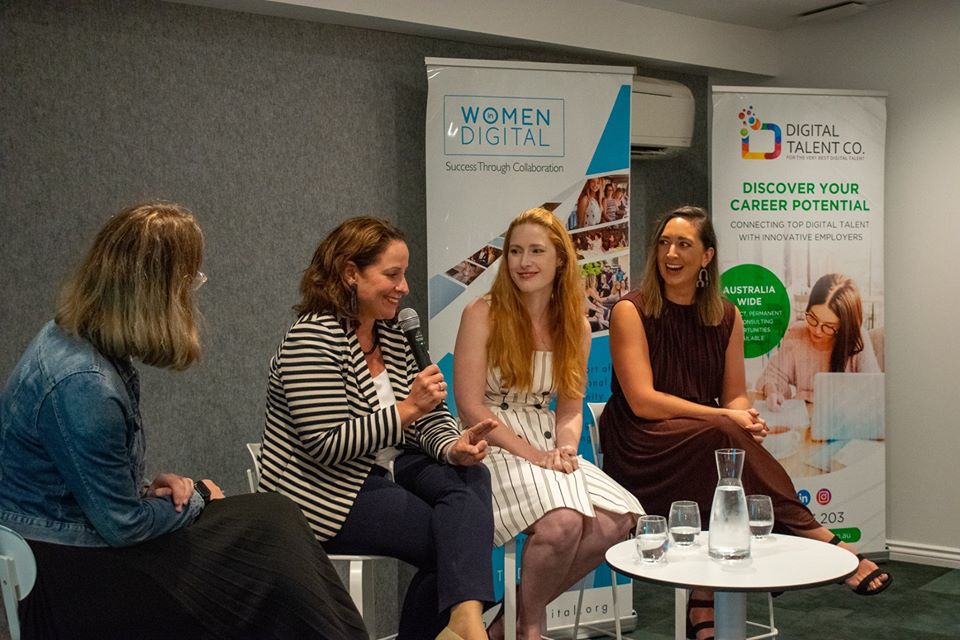
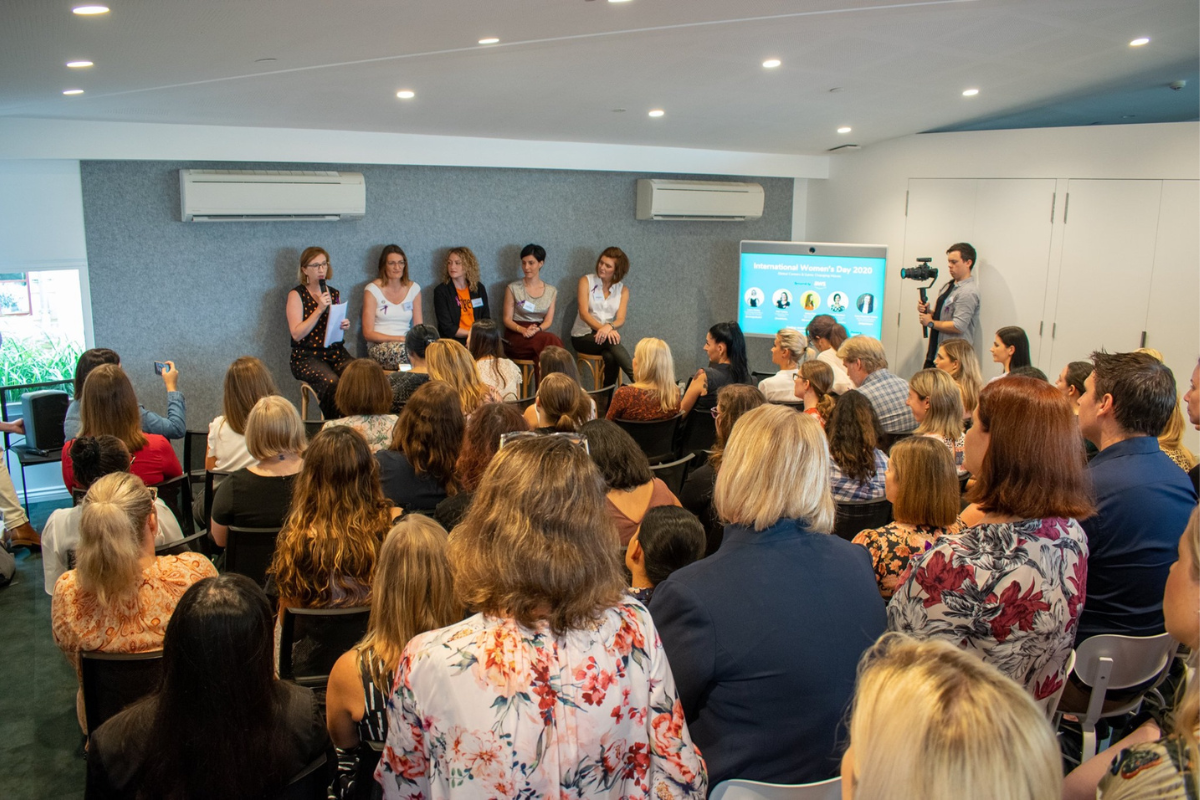
One month ago, we would have said that was a ludicrous statement! Yet, one month after International Women’s Day, that reality has just been flipped on its head. For International Women’s Day 2020 a room full of Brisbane-ites enjoyed mimosas over breakfast, standing close together, networking. It doesn’t seem that long ago does it? Back then, discussing the lasting benefits of “Global Careers and Game Changing Moves” seemed like a rather normal theme for the Women In Digital Breakfast. Fast forward one month and our reality has drastically changed. When reflecting on the notes I took that day, there was a strong message from each of the panellist that can be applied to our current reality – without the need to get on a plane.

One word… resilience.

Each panellist explained how building resilience through their global careers was an outcome of their experience. Being outside the comforts of your known surrounds forces you to reach within and confront challenges. Forced to make new connections or adapting their communication styles helped these panellists because they  became more tolerant and understanding when faced with adversity.

When returning home from these global adventures, they accepted that changes were inevitable and that problems weren’t insurmountable. When they were at their lowest, they dug deep and found something inside, that little bit more that gave them the determination to keep on going. This is no different from what we are facing now.

We must adapt our communication style from face to face to online methods and consider alternative ways to move forward as individuals, companies and industries. This will give us another rung in our jungle gym to build resilience. We all know there is no straight easy way to the top.  Through reaching out and speaking with colleagues who we may not have engaged before, we will increase our diversity of thought. People with different backgrounds, cultures and experiences may help trigger the innovative solutions to our business problems that many are currently facing. This is particularly important when we are hiring new team members and leaders.

For right now, while we are isolated, let’s take this as an opportunity to connect with some of the people in our organisations or network that we may not have got to know before. Albeit remotely, now is the time to be learning about different ways to tackle this unchartered territory. It is ok not to know the answers or have the exact path mapped out. In fact, showcasing our vulnerability actually allows us to change the dialogue and get to know one another and find new ways to solve big problems.

Just before the Women In Digital event wrapped up for the morning, we were asked to close our eyes and think of one extra thing we could do per week to make a difference to someone in our community.  Now more than ever, I encourage you to close your eyes and think of who you can reach out to, someone who may offer a different perspective or someone who may need your help.

Thank you to the event facilitator Cara Cipollone Walsh, and panel members Laura Stokes, Indi Tansey, Jenna Fitch, Marie Mortimer for sharing your insights on the day. When you spoke with us, we really didn’t know what was around the corner but your lessons around resilience are applicable, now more than ever.

Words by: Julia Morton

For more information on upcoming community events, follow us on Facebook, Instagram, and LinkedIn.


Blog-Corporate-Spotlight.png

March 20, 2020 Women in Digital

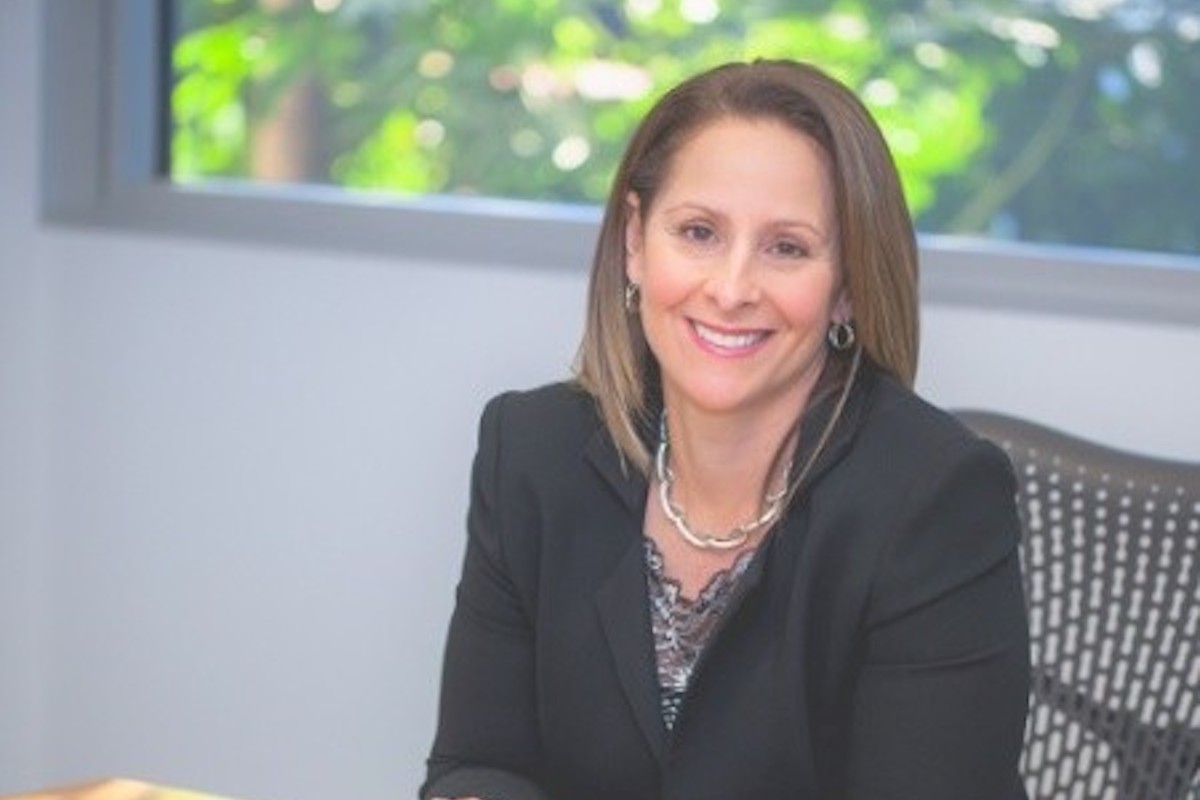
At Women in Digital, we are very lucky to have incredible partners like Amazon Web Services (AWS). AWS came onboard as one of our first Corporate Members and we could not be happier to have them on board. It is no secret that AWS is a major player in the digital space but what many people don’t know is the work they are doing to increase diversity in their workforce. We sat down with their Enterprise Sales Manager (QLD), Anne Marron to discuss all things AWS, diversity and the importance of diversity in digital.  

How would you describe AWS in just one sentence?

As we strive to be the earth’s most customer-centric company, our people have the ability to make a genuine impact in their roles, for customers and in the community. Really.

How long have you been at AWS?

3 incredibly fast-paced years.

What is one thing not many people know about AWS?

Both globally and closer to home here in Australia, we have women in tech leading some of our biggest and most important businesses at AWS. AWS is the most diverse workplace I have personally ever worked in!

How did you enter a career in tech sales/account management?

I’ve built my career on deliberate, planned choices. Very early on, I started working closely with a tech recruiter because I knew my first major tech role was going to be the start of a long and meaningful career. I was placed in a role at Cisco and have never looked back.

Along the way, I have taken core learnings and continued to expand my skills with each new role I have been awarded.

My philosophy is that you don’t need permission to be incredible, you simply need to make the choice to back yourself.

I also think it’s important not to just think about your next role, but the one after that and work backwards on the skills/requirements you’ll need to be successful in that role. Think big!

What made you want to become a Women in Digital Corporate Member?

Diversity of thought is critical to the way we solve problems in the real world for our customers.

It is so important to continue to build talent pools to help us meet the needs of our customers all around the world.

Obviously diversity in digital is important to you but what is your definition of diversity and how or why do you think diversity is important?

Amazon has hundreds of millions of customers who benefit from diversity of thought. We believe that diversity and inclusion are good for our business, but our commitment is based on something more fundamental than that – it’s simply right.

We are a company of builders who bring varying backgrounds, ideas, and points of view to decisions and inventing on behalf of our customers. Our diverse perspectives come from many sources including gender, age, race, national origin, sexual orientation, disability, culture, education, as well as professional and life experience.

In what ways do you think diversity is important to someone in a leadership role?

In my experience, diversity brings perspective and empathy. Both are important qualities in leadership.

How would you describe your current thinking about diversity, and how has your thinking changed over time?

My perspective on diversity hasn’t changed much over time. Diversity in the workplace is not only necessary, it’s simply right. And diversity is everyone’s responsibility.

What does it mean to AWS to have a commitment to diversity?

Amazon’s mission is to be the earth’s most customer-centric company, and this mission is central to our work in inclusion and diversity. Our customers are diverse, and we know we serve them better by having and building diverse teams. Our diverse perspectives help us push each other to think bigger, and differently, about the products and services that we build for our customers and the day-to-day nature of our workplace.

How is AWS demonstrating that commitment?

Amazon is committed to a diverse and inclusive workplace. Amazon is an equal-opportunity employer and does not discriminate on the basis of race, national origin, gender, gender identity, sexual orientation, disability or age.

AWS is committed to recruiting talent from all backgrounds. This includes but is not limited to alternative pipelines for those in leadership positions, early career and non-traditional career paths, and those who have taken extended career breaks.

Here are some examples of the global programs we have to support diversity and inclusion in our workplace:

  • AWS re/Start – preparing unemployed and underemployed individuals for cloud careers through classroom-based training.
  • We Power Tech – a community of allies and leaders who are powering the future

What is AWS doing to help increase the number of women in the workplace?

We feel strongly that people of all backgrounds are represented at Amazon. We also believe in the importance of investing in and retaining the women already within our organization. Once at Amazon, we have benefits like parental leave, mentorship, flexible work arrangements, returners program, and sponsorship programs in some countries, which help women not only stay at Amazon but also develop their careers. Our various women-focused affinity groups have global chapters to help strengthen the community among our internal talent. Our women workforce are actively involved in external speaking engagements, as well as presenting at local and global AWS events, to talk about their own experiences.

To businesses or leaders out there that know they want to improve gender diversity within their team but don’t know where to start…. What advice do you have for them?

A really simple first step can be checking for gender bias in job descriptions. There’s lots of tooling available to help with this prior to advertising the position.

Also, make sure you have a diverse representation of staff interviewing your candidates.

Finally, being deliberate in activities like talent acquisition and retention or development programs is super important to achieving outcomes.

Thank you so much to Amazon Web Services (AWS) for being such fierce advocates for diversity – with Amazon.com Inc. employing over 750,000 people worldwide, they have the power to create far-reaching, impactful change. 

If you are interested in learning more about AWS and their culture, click here. You can learn more about our partnerships here.


Copy-of-Gemma-Alker.png

February 20, 2020 Women in Digital

New decade, new board! That’s the saying, right? Our past board members have each achieved great success in their careers and have moved onto international opportunities and broader remits. As we farewell and thank them for their great contribution, we are thrilled to announce Women in Digital’s new Advisory Board!

Our Advisory Board is made up of passionate industry leaders who want to contribute to the future of Women in Digital, ensuring that the organisation meets the needs of the community and society more broadly. Women in Digital has a responsibility to create long lasting change in the industry, and this is only possible through the input, energy and collaborative strategic direction provided by these industry leaders.

Introducing our Women in Digital Advisory Board for 2020…

Mandy Ross – CIO of Tabcorp

Mandy is one of the digital & IT industry’s most successful and grounded leaders. Mandy has been asked to join the advisory board to speak on behalf of senior leaders in technology about how Women in Digital can serve its community.

Anne Marron, Enterprise Account Manager at AWS

Anne is the QLD Enterprise Sales Manager at AWS. Her career in Cloud and ICT within the Australian Market spans over 15 years.  She is known as a detail orientated leader who is skilled in assisting large, complex enterprises transform to adopt new technology enabling them to deliver on their strategic outcomes.

Anne is also an active ambassador for girls and women in technology and goes above and beyond in her role to champion the community.

Ran Heimann – Founder of Haystack

Ran is one of Australia’s most successful entrepreneurs, having launched Haystack six years ago he now has over 100,000 companies around the world using his software. With a truly global business yet local roots Ran provides a unique voice and perspective on how Women in Digital can create a legacy of change and drive equality for men and women.

Gemma Alker – Head of Engagement & Partnerships at QUT Chair in Digital Economy

A long standing supporter of Women in Digital, Gemma brings a wealth of experience and knowledge in partnership strategy. Gemma is passionate about supporting women to reach the peaks of their careers and sees Women in Digital’s events, partner network and community as the perfect facilitator for ambitious professionals.

Terry Weber – Regional Manager (QLD, NT & PNG) of Cisco

Terry is also a long standing supporter of Women in Digital. He is incredibly passionate about ensuring more women join technology and digital. He has been an internal champion of the Mentor Me program at Cisco which provides young female IT graduates with an opportunity to gain work experience within their office. He sees his role with Women in Digital as a way of extending his IT industry impact.

Gavin Douglas – Enterprise Account Manager at AWS

Gavin continues on the Women in Digital board as a strong advocate for Women in Digital. Gavin’s career has been extensive. Working for companies including Ogilvy, Apple, Adobe, Microsoft and now Amazon Web Services. In the words of Stephen Covey, Gavin always thinks with the “begin with the end in mind’ philosophy.

Bernadette Stone – Chief Information Officer of Brisbane City Council

Bernadette is the CIO of Brisbane City Council and is the quintessential woman in digital. She has built an impressive career in male dominated industries. Companies on her resume include Accenture, Rio Tinto, Queensland Rail, Aurizon, Virgin and now Brisbane City Council. She presents a distinctive value proposition with over 20 years’ experience in IT whilst also holding senior management positions in Enterprise Strategy and Mergers and Acquisitions.

Rowena Samaraweera – Director of Customer Experience for the Department of Housing and Public Works (QLD)

Rowena is the Director of Customer Experience for the Department of Housing and Public Works (QLD) and one of Women in Digital’s earliest and biggest supporters. You might not see her as she often as she works in the background but she has played a pivotal role in getting the Women in Digital Awards off the ground. With a background in Marketing, Communication and Innovation, Rowena has worn many hats throughout her career including Senior Customer Strategy Specialist at Suncorp Bank, Global head of Marketing, CX and Digital at Flight Centre Travel Group and Chief Marketing Officer at Console Group.

Jane Humphreys (Coe) – Group Director, People & Culture at TechnologyOne

Jane has joined the Women in Digital board and with it brings her commercial acumen and experience with organisational psychology. She has built a strong reputation for devising and executing human resource, organisational development and broader business strategies through influential leadership, technical capability. Her experience spans across 15 years and has seen her manage the culture and people at Virgin, Aurizon, QUT and now Technology One.

What an incredible, accomplished and diverse advisory board. We look forward to working with these members in 2020 and beyond.


IMG_0085-1200x800.jpg

February 11, 2020 Women in Digital

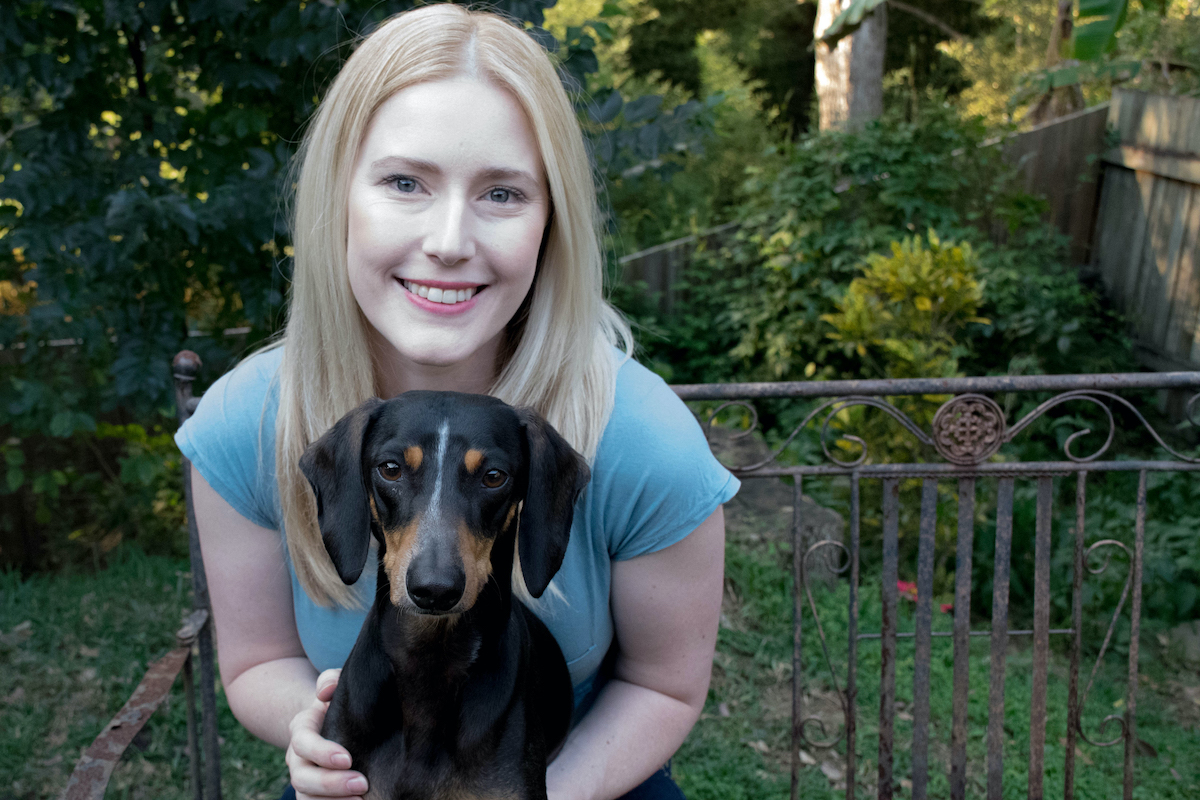
Emma Croston is the queen of start-ups. When she’s not consulting or giving key insight as an influential board member, Emma runs her own dog fashion label- talk about keeping busy! Her success as a start-up founder, adviser and investor and experience across multiple industries is truly impressive and we were so excited to chat to her about her extensive career!

Emma,  you now run your own eCommerce business alongside consulting with organisations and boards to deliver digital transformations. But tell us, who is Emma Croston the human?

Take me away from the office and I absolutely love to have fun. Laughter is a must in my every day, most of the time I am laughing at myself. I love new experiences… Even if they are terrifying.  Recently I found myself alone, hiding under a small side table, in a tent, in the Serengeti at 3 am in the morning, armed with a whistle (that’s all they give you to fight off the wildlife), struggling with a bout of diarrhea (let’s just say I wasn’t leaving the table for anything), terrified that I was about to get caught in an elephant stampede! (I could hear them coming)….. Turns out they were zebras. That pretty much sums me up., I love adventure, even if it is terrifying, and my mind is always strategically thinking of the best option to minimise impact… hence the table!

It is commonly recognised that there are fewer female leaders in digital and technology. How did you end up working in this industry?

I started my career in marketing. When the internet came along I was working in the travel industry. The travel industry was one of the first industries people shifted to online purchasing very quicking, with flights and accommodation.

At that stage websites and e-newsletters were the responsibility of the marketing department. At the time I was living in Townsville working for the North Queensland tourism body. We were giving a $6mil grant to promote driving in North Queensland. This meant developing websites and iPod-podcasts.

When I returned to Brisbane in 2007 I thought there was an opportunity for me to position myself in digital marketing and website development. So I studied it and my career went from strength to strength.

You worked with Cathie Reid co-founding Epic Digital. You are both strong women who are used to being in leadership roles, how did you successfully navigate co-leadership?

Cathie and I have very different leadership styles which compliment each other. Cathie is very good at identifying people who can bring her vision to life. I am a strategic futurist. I can take Cathie’s ideas/visions and know very quickly if they are viable both practically and commercially.I can see problems before they happen, which some people see as a negative.  Cathie is very good at understanding that I am looking beyond the problem presented and toward the future outcome. We have a lot of respect for each other and we have a lot of knowledge in different areas. We know when we have stepped on each other’s toes and we are able to move past it very quickly and focus on the vision and outcomes. We grew together and we grew to become very good friends.

Did you have any initiatives at Epic Digital to recruit female technical talent, and if so can you please share your insights.

I didn’t have any defined strategy to recruit women. However, I do believe that women are stronger in certain areas within a development team than men are and vice versa. Women naturally tend to have more attention to detail and are strong multitaskers, they tend to thrive in product manager and testing roles. I believe there is a need for more women within the development team.

What do you think can be done to improve diversity in the digital industry, particularly in more technical positions?

I think the focus needs to shift to showing women a lot of creative roles within technology development. The scoping and development of products needs female input. I would like to see more women applying for these types of roles which don’t require formal technical knowledge.

What technology development is most exciting you at the moment?

Predictive analysis I believe is the realistic first step toward artificial intelligence. Companies need to have clean data that can support decision making. Most have a long way to go in just getting clean data. I think there is more to be done before the artificial intelligent learner are ready of deep business application within existing businesses.

A massive thank you to Emma for chatting with us. If you want to read more Q&A’s with the top women in business head over to our blog! We will also be sharing further female success stories on our socials so stay updated with our Facebook and Instagram.


Jenna-Fitch-Women-in-Digital.png

February 6, 2020 Women in Digital

Delving into the world of incredible Brisbane talent, Jenna Fitch certainly packs a punch when it comes to being a woman to watch. Currently Head of Digital at JSA Creative, Jenna’s impressive career spans across the globe – she’s made a name for herself overseas in the UK to here in Australia. We were lucky enough to chat about how she built her Brisbane network from the ground up and her journey to success. 

To read the full interview click here. 

If you want to find out more, she’s gracing the stage as a guest speaker at Women in Digital‘s International Women’s Day Global Careers & Game Changing Moves– make sure you don’t miss out on her pearls of wisdom and grab a ticket!


Holly-Tattersall-Headshot-1-1.jpg

December 18, 2019 Women in Digital

Our Founder and CEO, Holly Hunt (nee Holly Tattersall) spoke with the University of Queensland about the conception of Women in Digital and creating global network to empower women in an ever-changing digital landscape. Read the full article here.

“By providing services that support and inspire women to be strong, confident and skilled, I hope to act as a change agent who will create more female leaders in the digital industry,”

Holly Hunt (nee Tattersall)


Scene-Change-1.jpg

November 7, 2019 Women in Digital

In the Women in Digital community we hear a lot about female developers, coders, leaders, marketers and those working in startups. But it isn’t so often we talk about women in AV which is why we sat down with QLD Director of Scene Change, Gareth Percey. In this interview we talk about carving out non-traditional career paths, diversity in AV and the female role models leading the industry. We hope you enjoy this Q&A.

Q: Give us your elevator pitch – what is Scene Change in 50 words or less?

Scene Change is a national event technology company specialising in big screen video, sound, lighting and staging. We mainly work with event producers and big brands for special events, product launches, awards nights and conferences.

Q: Obviously Scene Change is across Australia and you are looking after the AV for hundreds of events a year. What has been the most memorable event for you?

The first gala event held in the Howard Smith Wharves Precinct for 600 people in the disused riverside shed that now houses Felons Brewery, before any of the development had started, they even had to build a false floor for the event. We created a virtual pixel mapped view of how the precinct would look in the future. It was a great night and the start of something special for Brisbane.

Q: How did you get into a career in AV?

It was a case of right place right time and willing to give anything a go. While working my regular job for a local retailer I answered the call to help out a mate who needed assistance at midnight to pack down an outdoor event. Imagine the middle of winter in Hobart, rain and snow coming in sideways, it wasn’t ideal but I was interested. Two weeks later I was offered a full time technical role and 19 years later it has been much better than retail.

“Female techs are a scarce, valuable resource. We have four on our Brisbane team and are constantly looking to increase this.” – Gareth Percey

Q: When people think of AV they commonly think of a group of guys in all black geeking out over the latest audiovisual tech. Do you think the AV industry (as a whole) has a diversity issue?

Yes that has historically been the case, what sets Scene Change apart is that we select techs for their personal skills and understanding of presenters rather than tech geekiness. That prevents the annoying mansplaining that annoys our 80% female client base when they find it elsewhere. Female techs are a scarce, valuable resource, we have four on our Brisbane team and are constantly looking to increase this.

Q: Why do you think that is?

The industry hasn’t had many female role models active in the technical area until recently, but that is changing.

Q: What things are Scene Change implementing to help create a more diverse industry?

Training of crew on how to create a more inclusive industry. A lot of our crew are younger and bring a much more inclusive attitude than old-school industry types. We also support the Women in AV Group which has done a lot to highlight this issue in the last two years.

“A more diverse workforce makes our business a better place to work.” – Gareth Percey

Q: What made you want to get involved with Women in Digital?

As I have two daughters of my own I am keen to support industry groups that break down the barriers so that they can feel comfortable in following nontraditional career paths. Also a more diverse workforce makes our business a better place to work.

Q: What women in AV inspire you?

I look up to any of our female techs for bringing their wider skills into our industry, it is sometimes not easy for them and in the future they will be looked up to as pioneers. Particular respect to Toni McAllister who founded the Australian Women in AV Group which has done a lot of valuable work in a short time. And Kim Crofts from our Sydney office who was literally the first tech hired there, and she has been with us for 13 years.

Creating an awards night like the Women in Digital Awards is no small feat. This year with the awards hosting over 500 national guests at the iconic Howard Smith Wharves, we were in search of an AV partner that:

a) Wouldn’t blow the budget and,

b) Could help us deliver an unforgettable and seamless experience for our guests.

We are so very thankful for Gareth and the entire Scene Change team for helping us make this happen and more importantly, for actively working to create a more diverse and inclusive AV industry.

Want to learn more about Scene Change? Head to their website, Facebook, or Instagram.

Want to learn more about the Women in Digital community? Subscribe to our newsletter and be sure to follow us on Instagram.

Gareth Percey is the Director – Queensland for Scene Change.

Gareth is an experienced director with a demonstrated history of working in the events services industry. Skilled in Special Events, Live Event Producer, Technology Management, Live Events, and Audio Visual System Design and generally a really nice guy, he is someone you should want to connect with.

Find him on LinkedIn here.


Untitled-design-3.png

August 4, 2019 Women in Digital

Inspired. Motivated. Focused. Three words summarising how I felt walking out after two days at the Liquid Learning, Women in ICT and Digital Leadership Summit 2019.

I’m Emma Judd, Group Marketing Manager at Place Design Group and I was the lucky winner of the Women in Digital LinkedIn competition, to attend this Summit from July 23 2019 to July 24 2019.

You may have seen, I took over the @womenindigital Instagram Stories for the duration of the conference and can view my stories on their highlights here.

While it was two days jam-packed with an amazing lineup of speakers, the below will give you a brief insight and share some knowledge nuggets and relatable advice I personally took from this event.

DAY 1: 23 July

On day one of the summit we heard from some fantastic speakers, with the line-up including:

  • Joanna Murray, Program Manager, Transformation & Innovation, Boral
  • Chris Locke, Chief Information Officer, Flight Centre
  • Deb Assheton, Expert Facilitator, The Amplify Group
  • Wendy Bryant, Chief Information Officer, Transport for NSW
  • Keli Saville, Regional Head of Data, AsiaPac, Vanguard
  • Niamh Collins, General Manager, Digital, HFC
  • Jade Carson, Director, IT Investments, Department of Education & Training
  • Kirsty McKay, Group Manager, Program Delivery & Digital Transformation, Coates Hire
  • Katie Payten, Director, Technology Assurance & Governance, Australian Securities & Investments Commission
  • Kylie McLean, Chief Digital Officer, Australia & New Zealand, IBM
  • Simon Noonan, Chief Information Officer, SportsBet

The first day, the first speaker at a conference is always exciting and generally sets the tone for what you can expect and Joanna Murray, Program Manager, Transformation & Innovation at Boral, did just that.

Setting us up for the day, Joanne asked us to reflect back to the start of our careers. Did we know what we wanted to be, and how we planned to get there? I know myself. I definitely had a plan and thought it would go a certain way but reflecting back, it was actually a very different path I’d taken. I think this is a really positive thought to reflect on, especially if you are a mentor or in a leadership role guiding your team through their career journey.

My favourite quote from Joanne’s presentation was, “Great leaders don’t think they’re great; great leaders think they’re human.”

From career reflection to career reflecting. Chris Locke, Chief Information Officer, Flight Centre, shared some great career advice which I’ve shared below:

  • Don’t be afraid of trying different things in different industries
  • Make a plan and make it happen
  • Be resilient, but patient
  • Get experience – think outside the square

This was also a lovely flow into the third speaker, Deb Assheton, Expert Facilitator, The Amplify Group, who spoke on the importance of true self-confidence, the value of vulnerability and gratitude along with self-awareness.

A nice reminder that Deb left us with was that the struggle ends where gratitude begins. Practising daily gratitude makes us 5-10% happier, and costs us nothing.

“What are you grateful for today?”

I think one of my favourite, most thought-provoking parts of the day was Wendy Bryant’s presentation. Wendy Bryant, Chief Information Officer, Transport for NSW, spoke on ‘Unconscious Bias’. To explain this, Wendy made this really relatable asking us all to discuss at our tables if there were any roles we automatically associate with a man or a woman; knowing perfectly well that both genders actually worked in that particular role. For example, when one thinks of a pilot, a doctor, a nurse or a kindergarten teacher, does one stereotype a particular gender? Needless to say, most people, by default of unconscious bias, did so.

Wendy also reflected on her time as the only woman in an IT team working with all men. She refused to be the ‘cake cutter’ at workplace celebrations, as the default was to ‘leave it to Wendy because she was the woman’. Reflecting on our own workplaces, I feel there is so much that can be consciously done or implemented to improve this default gender bias. Some ideas Wendy shared with us included:

  • Unconscious bias training
  • Focus on bias in AI – change your Siri voice to male
    • I found this topic extremely interesting. Here is an article from Google that discusses it in more detail.
  • Specific actions on diversity in hiring processes and opportunities

Post lunch, we returned to the room for a panel discussion on ‘Whether work-life balance is possible?’. And great news – it is! And here are the panellists’ top tips for making it happen:

  • Find what works for you. If you play a sport or enjoy gym as an outlet – prioritise that and make a routine that works.
  • Plan holidays in advance and stick to them – If you’re busy, it’s easy to not plan your downtime, but time with family and friends is important. Book it in. Booking it in advance gives you something to look forward to.
  • Don’t hesitate to raise your hand if you need help. A great tip. Learn to delegate and ask those around you for help when needed.
  • Work smarter using smarter working techniques. Again something to Google, but what it comes down to is the fact that we all have 24 hours in a day. Use them wisely. The one thing money can’t buy is time.
  • As women in leadership, WE need to support flexibility. This is so important. If your team comes to you wanting to discuss flexible working options, be the change. Listen to their request and see what may be possible.
  • Flexibility in the workplace. Break down the barriers and become outcomes-based. This is such a positive and practical way to frame this thought process, as just because someone sits at their desk all day, it doesn’t mean they are being any more productive than someone working from home. Change the focus to be on outcomes, not on the number of hours sitting at a desk, and encourage flexible working arrangements.

The final two presenters for day one, Kylie McLean, Chief Digital Officer, Australia & New Zealand, IBM and Simon Noonan, Chief Information Officer, SportsBet, touched on workplace culture. Kylie really drove home the message that as leaders, it’s so important to create a culture that gets your team to thrive. This was a fantastic leeway into Simon’s Case Study around transforming workplace culture, with SportsBet as an example. Honestly, SportsBet sounds like an amazing place to work with a fantastic culture. Guided by its purpose, and underpinned by its values, SportsBet doesn’t just have its values hung on the wall; they live its values, which makes all the difference.

DAY 2: 24 July

Inspired from day one, excited for day two and it did not disappoint. The fantastic line-up of speakers included:

  • Stuart Harrison, Chief Information Security Officer, Medibank
  • Megan James, Chief Executive Officer, Australian Data Centres & President, Women in IT & Communications
  • Arabella Macpherson, Founder & Communications Coach, Resonate Communications
  • Jade Carson, Director IT Investments, Department of Education & Training
  • Brendan Mills, Chief Information Officer, NIB Health Funds Limited
  • Sarah McCullough, Head of eTech Operations, Essential Energy
  • Kathryn Porter, Director, Customer Experience, Cisco
  • Joyce Harkness, Chief Information Officer, Avant Mutual Group Limited
  • Kirsten Murray, Director International, Faculty of Engineering & IT, the University of Technology Sydney
  • Catherine Nolan, Director & Principal Coach, Gender Gap Gone

Stuart Harrison, Chief Information Security Officer, Medibank, kicked-off day two proceedings by sharing some words of wisdom about realising your leadership potential. A key theme that came through reflecting on day one was to show vulnerability. As leaders, you do need to stay strong for your team, but vulnerability is not a sign of weakness, but a sign that you are human. Showing vulnerability can often lead to building rapport and relationships with your team. A really lovely reminder for all leaders.

From the importance of vulnerability in leadership to the importance of resilience as leaders. Resilience was the topic Megan James, Chief Executive Officer, Australian Data Centres & President, Women in IT & Communications, covered in her personal career journey she shared with attendees. Megan is a very inspirational woman, and since the conference, I have shared parts of her story with many of my colleagues. They say you may not remember what people say, but you will always remember how they made you feel. In this case, I remembered what Megan said because of how it made me feel and how much it resonated. If you get the opportunity to hear Megan speak, I would highly recommend you take it and hear her story first-hand. I will share my key takeaways from Megan’s presentation below and hope you take some inspiration from this too:

  • Stay in your lane and stand up for what you believe in – no matter what
  • Always hold true to your values – above all else
  • Value your soft skills – emotional intelligence
  • Be present and always show up
  • Everyone has a story – so listen
  • Engage with people – see how you get the best out of people – allow the creative opportunity
  • Don’t compromise on any of the above

As leaders and mentors, it’s always useful to have references or tools to provide the best possible guidance and advice to enable meaningful conversations with your teams and mentees. Arabella Macpherson, Founder & Communications Coach, at Resonate Communications shared with us some great tips for unleashing your power as a mentor. I’ve summarised them below:

  • Coaching
    • Ask questions
    • Make suggestions
    • Share experiences
  • Chunking
    • Use chunking to open up or delve deeper into topics
  • Matching
    • Give all of your attention
    • Match 60%: physically and vocally
    • Repeat words and phrases back to show acknowledgement

Towards the end of day two, the discussion changed to be more around the future of work. Jade Carson, Director of IT Investments, Department of Education & Training, spoke passionately on the topic of engaging and attracting future female leaders to IT roles.

Some ideas and strategies Jade touched on started right back at engaging young girls to show interest in IT. Whether that be at home, at school or at play. It’s also about attracting girls and women to a career in IT by changing the image/perception of tech, promoting meaningful careers and addressing the unconscious bias. On top of this, growing the focus on the culture around tech, closing the confidence gap through training and education and having strong female mentors or sponsors will help attract female IT talent. Jade concluded that we should keep a focus on culture being equitable and reflective of diversity. And that job design or redesign for flexibility is important. Overarching, she highlighted female role models across the IT industry is key.

Continuing the future of work discussion, panellists’ thoughts covered:

  • The importance of business and IT partnerships – with the increase in technologies in the workplace, it’s important for businesses and IT leaders to work closely for the best possible outcomes
  • Portfolio careers – showing depth and breadth of experience
  • Being location agnostic – it’s not about where you’re physically working from. With technology, you are enabled to work from anywhere. This also ties into the earlier discussion around being outcomes focused.
  • Gig Economy – presents great opportunities but also new challenges

And that’s a wrap! Catherine Nolan, Director & Principal Coach, at Gender Gap Gone, was our facilitator across the two-day summit and presented a great summary of the insights from across the event. A few practical tips she left us with include:

  • Create a Vision Board – use Pinterest or Canva to get started. If you see it, you’ll achieve it.
  • Create your 40-page resume – a dumping ground for YOU only. List examples as they happen so that when the time comes, you have the content and are ready to apply for that dream job.
  • Watch the Amy Cuddy Ted Talk – ‘Your body language may shape who you are’

There were honestly so many fantastic insights and inspirational moments over the two days. I hope this blog post shares just some of that post-summit magic with you all.

Thank you for reading.

Emma Judd

Instagram: @emajudd

LinkedIn: https://www.linkedin.com/in/emajudd/

Do you have more insightful leadership tips? Share them in the comments below.


httplegacy.womenindigital.orgwp-contentuploads201811Julie-Trell.png.png

November 19, 2018 Women in Digital

Describing herself as a Human API—connector of people, programs, and ecosystems—Julie Trell is the Global Head of muru-D, SheEO Australia Lead, and self-confessed technology junky. Having worked for some of the biggest technology companies across the globe, including the multi-award winning social enterprise Salesforce.org, Trell is a true leader in the digital realm, known for her solid sense of how, and when, to connect new founders to global resources.

Passionate about both education and innovation, Julie Trell was recently recognised as UQ Business School Leader of the Year at our annual Women in Digital 2018 Awards Gala. Here, we speak to Trell about the dynamic (and often addictive) nature of the digital realm, and learn more about her famously playful approach to leadership and change.

Women in Digital: What do you consider to be the positives, and potential negatives, of living in the digital era?

Julie Trell: Well, it helps with ease of life and making things easier, and more efficient. But then on the other side of things, there’s a risk of an addiction to it, and that’s not healthy. So it’s a great tool to solve problems, a tool to connect, a tool to make the world feel smaller, and the flip side is, is it compromising our humanity? And our ability to be empathetic?

WID: What are some digital tools that affect your day-to-day, and how do they maximise your productivity?

JT: We use DocuSign at muru-D daily. I recognise how  simple DocuSign is—signing documents without having to fax or mail. These are the things that simplify the work process. In addition being able to find answers to questions without having to ask someone or go to a library makes for a faster learning opportunity. I think technology allows us to become better, or more critical, thinkers, or least I hope so. It just makes work life easier, allowing you to get things done faster.

WID: Can you tell us more about your role as Global Head of muru-D?

JT: I was brought in by Annie Parker, my predecessor, mentor and now good friend. Muru-D was started to ignite the startup ecosystem in Australia five years ago, and we’ve done that. We were one of the first, there were only two or three accelerators when we started, and there are so many now, which is really exciting. Many people are getting into the startup world to become an entrepreneur, because the traditional path of going to college, graduating,getting a full time job and then staying at a corporate for twenty years has changed.

My role is to create a space where we can bridge the corporate world and the startup world, to create opportunities, to create innovation, and to create a thriving Australian economy that’s fuelled by innovation, technology, and entrepreneurs.

We’ve been around for five years, and so now it’s exciting to see what’s next. There is a lot of opportunity for change, so in terms of the future of what it looks like next, we have an exciting opportunity to redesign that.

WID: Throughout your career you’ve worked with some of the biggest technology companies in the world. What are some of the biggest changes you’ve witnessed in the way we use technology in the workplace?

JT: I was very lucky to “grow up” at Salesforce, starting there when there was only 100 people. When I first met Marc Benioff, CEO of Salesforce, the terms SaaS or Cloud Technology weren’t even invented yet. So being on the cutting edge of that development, and working with an incredibly innovative leader and company that set the bar so so high, and working with people who not only reached the bar,  but exceeded it was an amazing and incredibly valuable experience. Coming to Australia was exciting for me, because it was an opportunity to help move the bar here, and to get companies and startups and founders to achieve what is actually possible, challenging people to do that, and helping them to use the right tools, resources, smart capital and networks to do so.

WID: At our recent Women in Digital 2018 Awards Gala you were recognised as UQ Business School Leader of the Year, and were commended for your playful approach to leadership and change. Can you tell us more about your personal leadership philosophy?

JT: I think leadership is about creating a safe space to nurture a growth mindset. Also, a place to allow for failure, and embrace play, curiosity and experimentation. I tend to lead with a democratic leadership philosophy. I believe everyone should have equal say in the team, or, they should at least be heard. I value participation and collaboration within and without the team. The reason I first went into teaching was to be the catalyst for the lightbulb to go on, and I thrive to see that happen in my team, with the founders and their companies, as well as within the corporate environment of Telstra. My success is experiencing the success of others through their interaction with me, my team, and the programs we lead.

WID: You are known for your passion for education and innovation. What advice would you give women working in the industry regarding keeping up to speed with digital best practice?

JT: Speak up, speak out, and find a network. If you sometimes feel like you have dumb questions, they’re not dumb questions, because someone else has got the same questions as you have. And not being afraid to ask for help is huge. Humans in general are a lot more keen to give and to help others than we think, but that doesn’t work if no one is asking for that help. So, as women…I just think not being afraid to ask is so important.

WID: You are the current Australia Country Lead for SheEO. Can you tell us more about how this global initiative helps to transform how we finance, support and celebrate female entrepreneurs?

JT: At SheEO our goal is to get 500 women across Australia to contribute $1100 into a fund for female entrepreneurs. The women who contribute that money are called Activators, so you’re activating your buying power, your capital, and your network. It’s not just writing a cheque and walking away, you’re actually engaged with the process. As an Activator you get to select which five ventures will receive this 0% interest 5-year loan. It’s a perpetual loan that, once paid back, can be loaned out again and again. And it’s creating this perpetual flow of capital to women, from women, who really believe in the products that are being created; that believe in the founders themselves. Most of the companies that are chosen offer some sort of product or service that will make the world a better place, and that’s a big focus. What it really creates is this ask/give network, so that activators who participate in this fund can ask one another for help as well.

There are [also] a lot of other wonderful initiatives helping and supporting women entrepreneurs, and we’re here to work with them. I’ve already had conversations with Scale Investors, with Head Over Heels, with SheStarts. You know, this is not about us doing another competitive thing, this is about all of us playing together.

WID: What do you love most about what you do?

JT: So, the first response that came into my head—and it’s the reason why I did go into teaching—was that aha! moment. Sharing a moment with someone where they learned, or where they failed, and learned from that failure, so that they knew how to do it differently, or knew how to do it awesomely next time. The other thing that I love doing is connecting the right people with one another. I don’t know everything about everything, but what I do know is how to find the right people for the job at hand, and to help them connect and help one another.

WID: What piece of advice would you give to a woman who aspires to work in the digital realm?

JT: There are so many resources out there. But if there is something that you believe in, do it. I remember when I first started working as a technology specialist at a middle school, I had no formal technical training, and yet I was fixing and maintaining the computer networks of the school. I was literally doing things like pulling out the motherboard of the computer, smacking it with my palm, and putting it back in, and sometimes that would work. But I would also go to sleep thinking about some of the problems I had encountered with computers, and I could literally feel the synapses forming in my head trying to solve for the issue, and I was learning. The reason I am telling that story is, getting into digital, or getting into technology, if you’re eager to learn about it, as soon you start to learn you can feel that growth almost immediately.

WID: So it’s really one of those industries where you learn so much by doing, and by being involved?

JT: Yes, exactly. And  yet, there’s that whole imposter syndrome, I get it, I have it everyday. I have that voice in my head, too, and I’ve named her, her name is Beatrice. She’s getting a lot of play lately because I’ve been talking about her a lot, so hopefully that’s enough to get her to sit down and to just let her do her own thing and stop bothering me. And then you move on, and you ask questions again. It’s about being confident and doing what you believe you can do.

WID: You describe yourself as an avid technology junkie. So we have to ask; what’s one app you can’t live without?

JT: Any kind of a text (based) app, that kind of a communication tool. Whether it’s WhatsApp or text. So I can communicate to people that I wouldn’t be able to otherwise, so I have one network on Telegram, and I’m on WhatsApp, and on text.

Check out more of our Q&A’s over on our blog!